Introduction
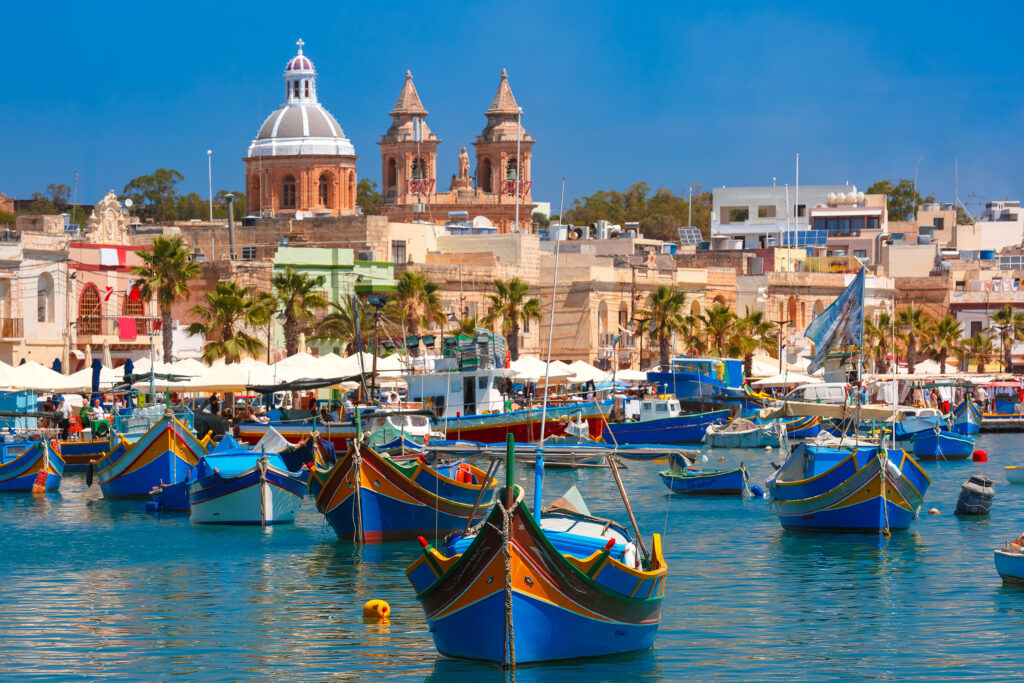
Malta, an archipelago located in the heart of the Mediterranean Sea, is renowned for its stunning coastlines, rich history, and vibrant culture. With its strategic location, Malta has been a historical crossroads of various civilizations, including the Phoenicians, Romans, and Knights of St. John. The ongoing recovery from the global pandemic and increased travel interest have put Malta back in the spotlight as a prime destination for international tourists, making it all the more relevant in today’s travel discussions.
Rising Popularity as a Tourist Destination
In recent years, Malta has seen a resurgence in tourism, appealing to travelers looking for sun, history, and cultural experiences. According to the National Statistics Office of Malta, the country welcomed approximately 3 million visitors in 2022, significantly up from previous years during the pandemic. Travelers are drawn to attractions such as the ancient city of Valletta, a UNESCO World Heritage site, and the picturesque Blue Lagoon on Comino Island.
Cultural Significance
Malta’s cultural heritage is profoundly influenced by its historical rulers. The country has a wealth of megalithic temples, paleolithic caves, and baroque architecture, drawing archaeologists and history buffs alike. Food is another integral part of Maltese culture, with traditional dishes like rabbit stew and pastizzi showcasing the island’s diverse culinary influences. The annual Malta Arts Festival and the Malta International Fireworks Festival further demonstrate the island’s commitment to celebrating its rich cultural tapestry.
Ongoing Developments and Future Prospects
As Malta continues to establish itself as a modern travel hub, significant investments are being made to enhance infrastructure and tourism facilities. With a focus on sustainable tourism, the Maltese government aims to preserve its natural beauty and cultural heritage while accommodating an increasing number of tourists. Future forecasts suggest that numbers could rise even more, attributing to factors like the introduction of new flight routes and the growing popularity of digital nomadism spurred by remote work opportunities.
Conclusion
Malta stands as an important reminder of Europe’s rich history and cultural diversity while actively embracing modernity. With an influx of tourists and continued investment in infrastructure and cultural programs, Malta not only promises an enriching travel experience but also provides insights into Mediterranean traditions. As global travel resumes, Malta is poised to remain a cherished destination for both leisure and cultural exploration.