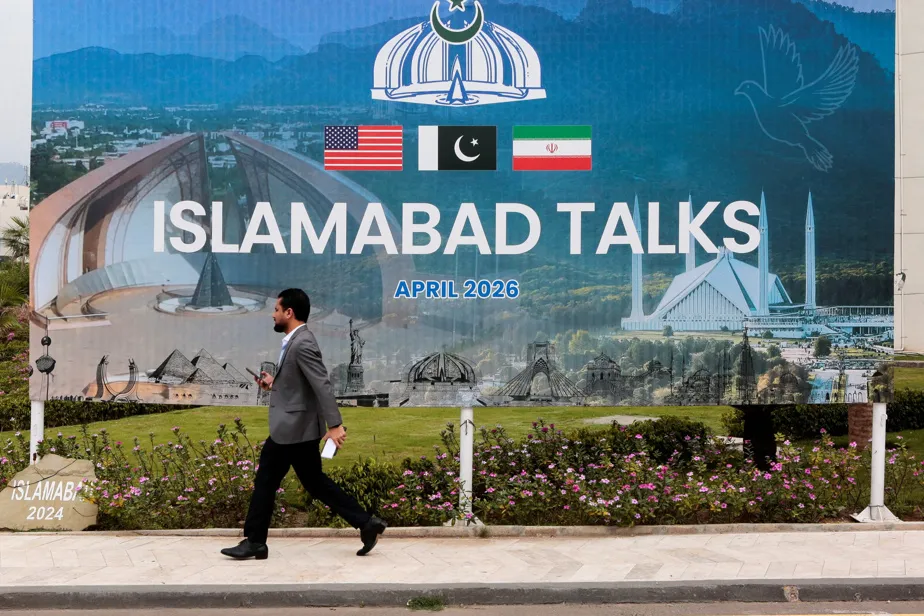
Negotiations between Iran and the United States are taking place in Islamabad, Pakistan, marking the first direct talks between the two nations since the Islamic Revolution of 1979. The discussions, which began on April 11, 2026, are seen as a pivotal moment in U.S.-Iran relations, particularly given the ongoing tensions in the region.
The talks are trilateral, involving officials from Pakistan, and lasted nearly 15 hours on the first day. The U.S. delegation is led by Vice President J.D. Vance, while Iran’s delegation includes President of Parliament Mohammad Bagher Ghalibaf and Foreign Minister Abbas Araghchi. The presence of Pakistani officials underscores the country’s strategic role in facilitating dialogue between the two nations.
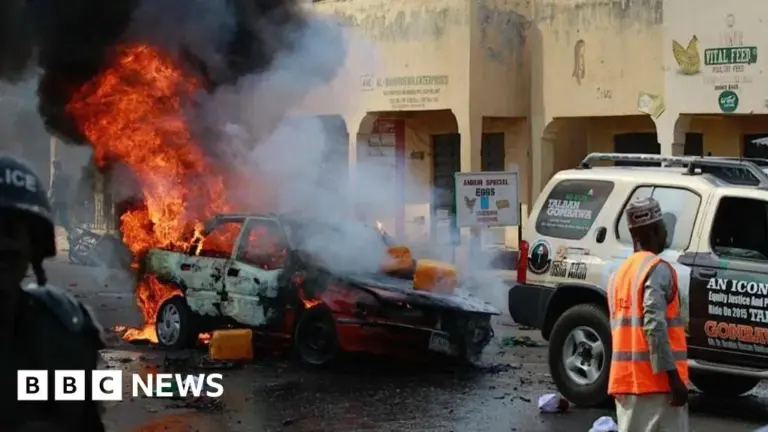
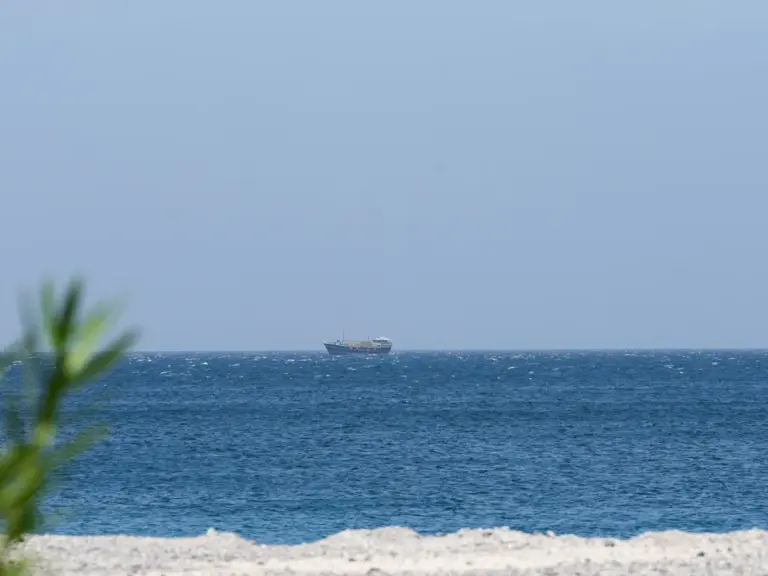
These negotiations come at a time of heightened conflict in the region, particularly following an Israeli-American offensive against Iran that began on February 28. The U.S. military has reported that two destroyers have crossed the Strait of Hormuz for demining operations, a strategic passage that has been blocked since the onset of the conflict. The situation has resulted in significant casualties, with over 2,000 deaths and more than 6,400 injuries reported in Lebanon since March 2, including 18 deaths from Israeli strikes in southern Lebanon.
Donald Trump, the former U.S. President, commented on the negotiations, stating, “We are in advanced negotiations with Iran. We are winning anyway, we have defeated them militarily.” His remarks reflect a complex sentiment as the U.S. seeks to navigate its military and diplomatic strategies in the region.
In contrast, reactions from Iranian citizens have been mixed. One anonymous citizen remarked, “We should not take Trump too seriously. He wants to wipe a civilization off the map and, twelve hours later, sets up a ceasefire that rests on nothing.” This sentiment highlights the skepticism among some Iranians regarding the sincerity and effectiveness of U.S. intentions.
Pakistani officials have described the atmosphere of the negotiations as cordial, suggesting a willingness from both sides to engage in dialogue despite the underlying tensions. Shehbaz Sharif, the Prime Minister of Pakistan, noted that “this stage is expected to be difficult to establish a lasting truce,” indicating the challenges that lie ahead in reaching a comprehensive agreement.
As the negotiations progress, details remain unconfirmed regarding the exact terms and outcomes. The impact of any potential ceasefire on the ongoing conflict in Lebanon also remains uncertain, as the situation continues to evolve. The international community is closely monitoring these developments, hoping for a resolution that could stabilize the region.