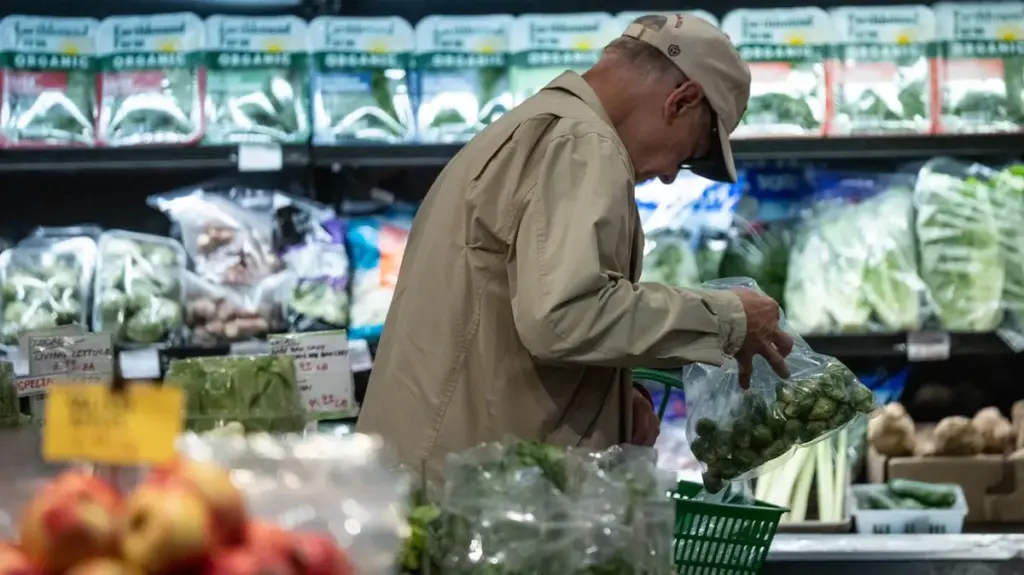
As discussions around food accessibility continue to gain traction, Toronto is currently evaluating the potential establishment of four municipal supermarkets aimed at serving low-income neighborhoods. This initiative comes amid a growing recognition of the challenges faced by residents in accessing affordable and nutritious food options. The proposal, championed by Avi Lewis, envisions a network of state-subsidized grocery warehouses that would prioritize local products, thereby supporting regional economies.
On April 7, 2026, the city is expected to make a significant announcement regarding this grocery network, which requires an initial investment estimated at 350 million dollars. The operating costs for maintaining such a network are projected to be around 290 million dollars annually. Advocates believe that this initiative could lead to substantial price reductions, with estimates suggesting that grocery costs could decrease by 30% in larger urban areas and up to 45% in northern communities.
According to Anna Paskal, a proponent of the initiative, “Le gouvernement paierait pour le loyer, pour les gens qui travaillent, pour l’électricité et, en plus, ne devrait pas redonner les profits, donc ça pourrait réduire le coût des épiceries de 30 % à 45 % selon où les gens vivent.” This statement underscores the potential impact of government intervention in the grocery sector, particularly in areas where residents struggle to afford basic necessities.
While the Toronto proposal garners attention, another incident has highlighted the importance of local grocery stores in community life. Recently, a portion of the roof of an Intermarché in Saguenay–Lac-Saint-Jean collapsed. Fortunately, no injuries were reported, but the event has sparked a wave of community support for the store’s owners. Samuel Pilote, a local representative, noted, “Tout de suite quand le drame s’est produit, on a eu des appels de la mairie, des conseillers municipaux […] Tout le monde était prêt à nous aider.” This response illustrates the vital role that grocery stores play in the fabric of local communities.
As the owners of the Intermarché assess the damage, they are exploring the possibility of a partial reopening within one to two weeks. Pier-Luc Gilbert, a community member, emphasized the significance of the grocery store, stating, “La communauté s’est tout de suite ralliée pour supporter les propriétaires. […] L’épicerie fait partie des besoins essentiels de la municipalité.” This sentiment reflects a broader understanding of how essential grocery stores are for community cohesion and support.
Despite the promising developments in Toronto and the community’s resilience in Saguenay–Lac-Saint-Jean, uncertainties remain. Details regarding the exact cause of the roof collapse have not been officially confirmed, and there are no cost estimates or savings available for the pilot project in Toronto, as it is still in the early stages. These factors contribute to a complex landscape for grocery stores, or épicerie, in the region.
The ongoing discussions about municipal supermarkets in Toronto and the community’s response to the roof collapse incident in Saguenay–Lac-Saint-Jean highlight the critical intersection of food accessibility and community support. As these events unfold, the future of grocery stores remains a pivotal topic for residents and policymakers alike, emphasizing the need for sustainable solutions in the food sector.