How it unfolded
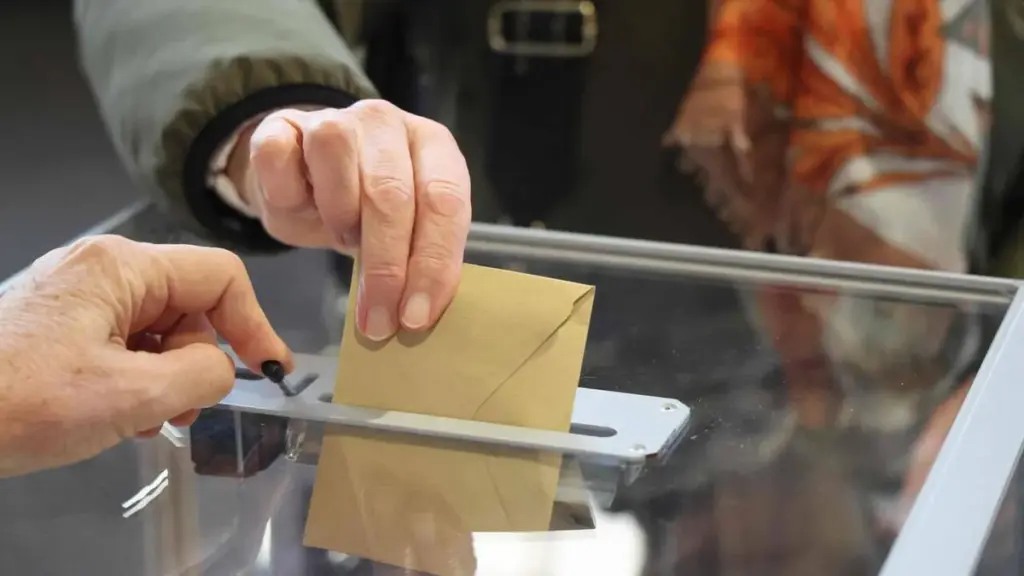
The French municipal elections are taking place on March 15, 2026, as approximately 48.7 million voters are called to cast their ballots. This election is viewed as a crucial test ahead of the presidential election scheduled for 2027. As the day progresses, the participation rate at 5 PM stands at 48.90%, with expectations that the final participation for the first round will range between 56% and 58.5%.
As the results begin to emerge, early estimates indicate that the Parti Socialiste (PS) is leading in Paris. In Marseille, a close race is unfolding between Benoît Payan and Franck Allisio. Meanwhile, in Béziers, Robert Ménard has claimed victory, asserting he received over 60% of the votes. David Lisnard has been re-elected in Cannes with a significant 81% of the votes, while Grégory Doucet is leading in Lyon with around 37%.
In Roubaix, the participation rate has been reported at 36.4%, reflecting varying levels of voter engagement across different regions. The mayor of Perpignan, Louis Aliot, has also been re-elected, securing approximately 51.5% of the votes. By the end of the first round, it is anticipated that 93% of communes will know their mayor, setting the stage for the second round of elections scheduled for March 22, 2026.
Rachida Dati, a prominent political figure, commented on the situation, stating, “La division affaiblit le camp de l’alternance et du changement,” emphasizing the challenges faced by opposition parties. She further remarked, “La victoire est possible, elle a une exigence, c’est le rassemblement et la mobilisation,” highlighting the need for unity among opposition groups.
As results continue to unfold, Anaïs Belouassa-Cherifi expressed readiness to take responsibility, asserting, “Nous sommes prêts à prendre nos responsabilités, nous sommes prêts à aller discuter et nous sommes prêts bien sûr à garder notre ville à gauche.” This sentiment reflects the ongoing negotiations and strategies among left-leaning parties to maintain their influence in local governance.
Details remain unconfirmed regarding the final participation rate and the exact outcomes in major cities, which will remain uncertain until the second round. The dynamics of this election could significantly impact the political landscape in France, particularly as parties prepare for the upcoming presidential elections.
As the day concludes, the implications of these municipal elections will resonate beyond local governance, shaping the strategies and alliances that parties will forge in the lead-up to the national elections in 2027.