What observers say
“Eid al-Fitr literally means ‘festival of breaking the fast,'” a representative from a local mosque explained, highlighting the essence of this significant occasion in the Islamic calendar. This year, Eid al-Fitr is expected to fall on March 20, 2026, depending on the sighting of the crescent moon, which is a traditional practice that determines the start of this festive period.
As the end of Ramadan approaches, Muslims around the world prepare to celebrate this joyous occasion. Eid al-Fitr marks the conclusion of a month of fasting, prayer, and reflection. It is a time when families come together, share meals, and express gratitude for the blessings they have received. The festival is celebrated on the first day of Shawwal, the 10th month in the Islamic calendar, and is anticipated by over 2 billion Muslims worldwide.
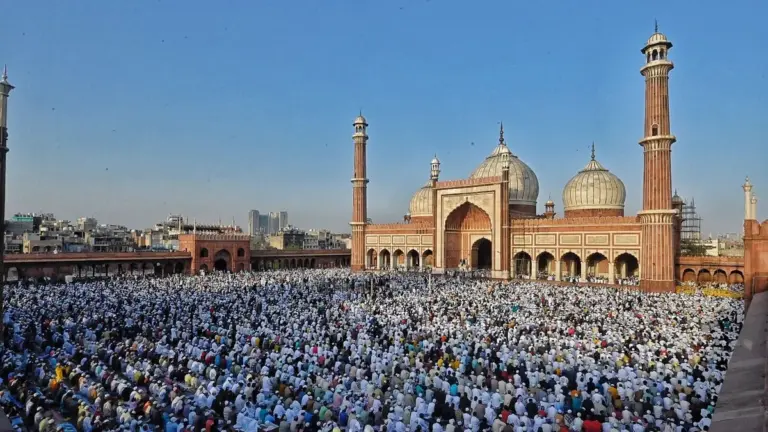
In many cultures, the day begins with a special prayer service at mosques or community centers. Muslims will hug their friends and family and greet them with “Eid Mubarak,” meaning “blessed festival” in Arabic. This greeting encapsulates the spirit of the day, which emphasizes community, compassion, and charity.
Before the Eid prayers, Muslims are encouraged to give Zakat al-Fitr, a charitable donation intended to help those in need. This act of giving reinforces the importance of community support and ensures that everyone can partake in the celebrations. The charity is often distributed to the less fortunate, allowing them to enjoy the festivities alongside others.
The crescent moon sighting for Eid al-Fitr is expected to occur on March 18, 2026. Countries that began Ramadan on February 19 are likely to celebrate Eid al-Fitr on March 20, while some may observe it on March 21, depending on local moon sighting confirmations. Details remain unconfirmed, as the exact date can vary based on the lunar cycle.
In Morocco, children often wear new traditional clothes to celebrate Eid al-Fitr, symbolizing renewal and joy. Families prepare special meals, and the atmosphere is filled with excitement and anticipation. The festival not only marks the end of fasting but also serves as a reminder of the importance of family bonds and community ties.
As the date approaches, many Muslims reflect on the spiritual growth they have experienced during Ramadan and look forward to the communal celebrations of Eid al-Fitr. The festival serves as a culmination of their efforts in prayer and self-discipline, reinforcing their faith and commitment to their community.
With Eid al-Fitr just around the corner, preparations are underway in homes and communities worldwide. The festival promises to be a time of joy, unity, and gratitude as Muslims come together to celebrate the end of Ramadan and the beginning of a new month in the Islamic calendar.