Reaction from the field
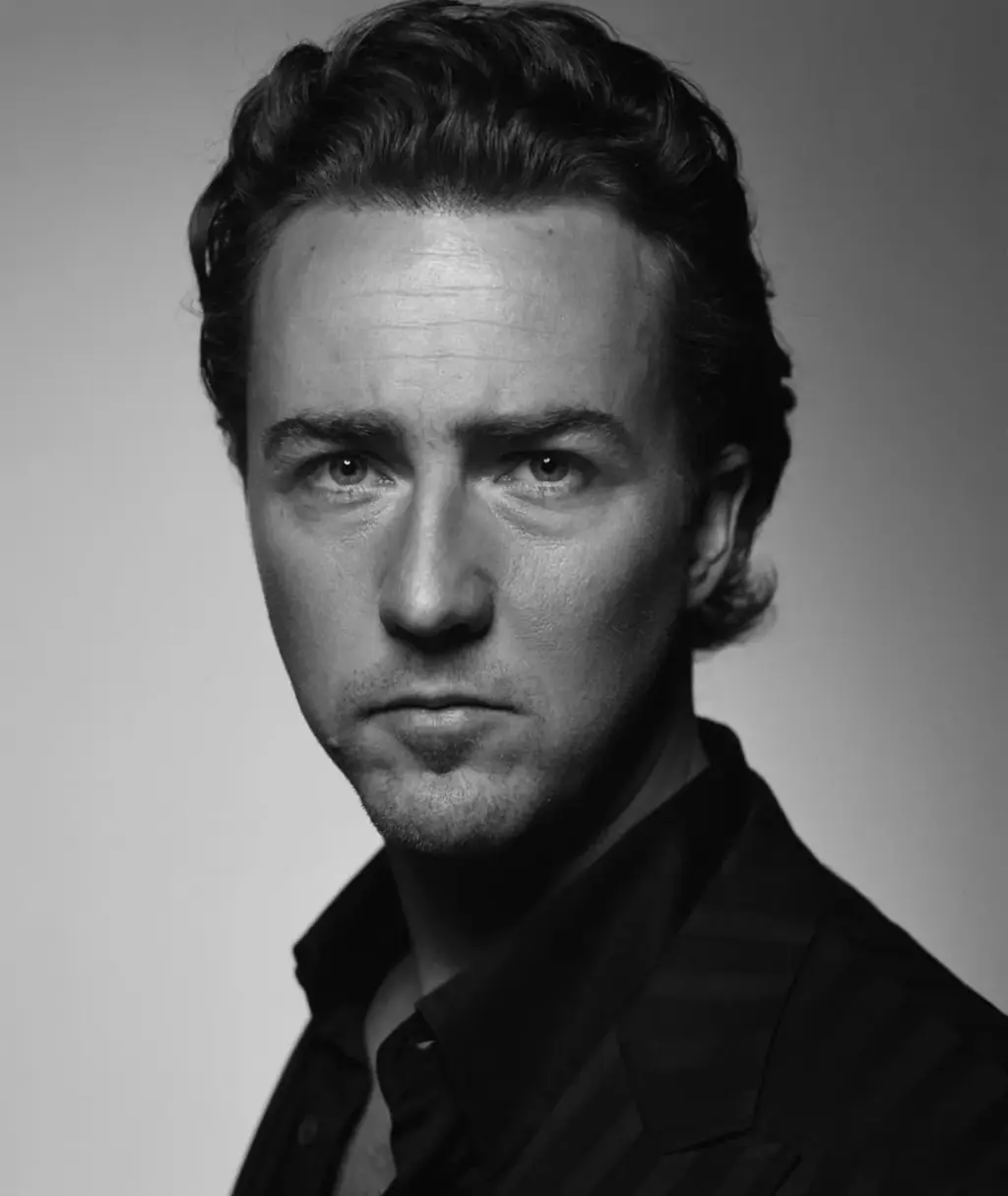
On March 18, 2026, Edward Norton made a significant impact on viewers of The Late Show by performing a reading of Walt Whitman’s poem ‘Crossing Brooklyn Ferry’. This performance, lasting approximately four minutes, was not just a recitation but a heartfelt expression of themes that resonate deeply with the human experience, such as connection and continuity across generations.
Norton customized a line in the poem to reference the show’s host, Stephen Colbert, who hails from New Jersey. This personal touch added a layer of intimacy to the performance, illustrating how art can bridge the gap between the past and the present. The reading was part of a 22-minute extended interview segment, where Norton discussed the relevance of Whitman’s work in today’s world.
Originally published in 1856 under the title ‘Sun-Down Poem’, ‘Crossing Brooklyn Ferry’ explores the idea that neither time nor space can separate individuals from shared experiences. Norton emphasized this point during his appearance, stating, “You realize artists are capable of speaking through time in some sense and reminding us that everybody and every time has gone through these moments, these anxieties.” His insights reflect a profound understanding of the poem’s enduring significance.
As a four-time Academy Award nominee, Norton’s artistic credibility adds weight to his interpretations of literary works. His shared appreciation for 19th-century poetry with Colbert further enhances the connection between the two, creating a rich dialogue about the power of words and their ability to transcend time. Norton remarked, “Whitman, of all American poets, really seemed to understand that though he stood somewhere in time, he was speaking to you and me right now.”
The performance comes at a pivotal moment, as The Late Show approaches its final episode, scheduled for May 21, 2026. This impending conclusion adds a layer of nostalgia to Norton’s reading, as it serves as a reminder of the show’s legacy and its role in bringing diverse voices and perspectives to the forefront of American culture.
Norton also conveyed that the essence of Whitman’s message is one of unity, stating, “He wanted to convey in some sense that we are still in this all together.” This sentiment resonates strongly in today’s world, where the need for connection and understanding is more crucial than ever. The poem’s exploration of human relationships and shared experiences remains relevant, inviting audiences to reflect on their own lives and connections.
As the entertainment landscape continues to evolve, the impact of such performances remains to be seen. Norton’s reading not only highlights the timeless nature of Whitman’s work but also serves as a reminder of the role that artists play in fostering dialogue and connection across generations. Details remain unconfirmed regarding how this performance will influence future discussions about literature and its place in contemporary society.