Recent Developments in Trade Relations
As the trade war initiated by the Trump administration against Canada continues to evolve, significant developments have recently emerged. Just before the U.S. Supreme Court’s ruling on global tariffs, tensions were high regarding the implications of these tariffs on Canada, a key trading partner for the United States.
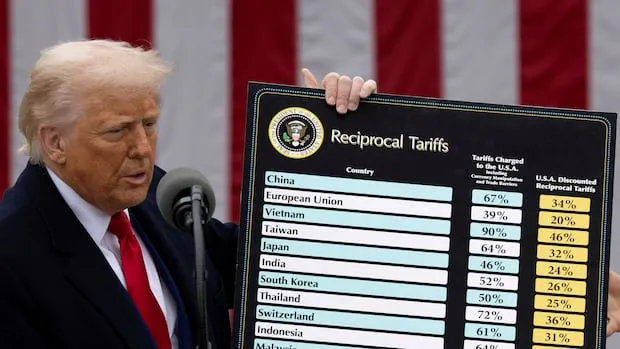
On a notable date, the U.S. Supreme Court struck down President Donald Trump’s global tariffs, ruling that they were imposed illegally. This ruling marked a pivotal moment in the ongoing trade dispute, as it called into question the legitimacy of the tariffs that had been a point of contention between the two nations. U.S. Trade Representative Jamieson Greer commented on the situation, stating, “The policy remains the same — the tools may change depending on, you know, the vagaries of courts and other things.” This reflects the administration’s ongoing efforts to navigate complex trade dynamics.
Trade Investigations and Their Targets
In conjunction with the tariff ruling, the Trump administration launched a trade investigation into excess industrial capacity in 16 major trading partners. Interestingly, Canada was not named as one of the targets of this new trade probe, which may indicate a shift in focus or strategy regarding trade relations with its northern neighbor. Greer emphasized the administration’s commitment to protecting American jobs, asserting, “He’ll find a way to deal with unfair trading practices. He’ll find a way to get our trade deficit down. He’ll find a way to protect U.S. manufacturing.” This statement underscores the administration’s ongoing efforts to balance domestic economic interests with international trade obligations.
Public Sentiment on Tariffs
Public opinion plays a crucial role in shaping trade policy, and recent surveys reveal significant insights into American attitudes toward tariffs on Canada. A survey indicated that 51% of U.S. respondents do not want any tariffs imposed on Canada. This sentiment is particularly pronounced among registered Democrats, with 72% expressing opposition to such tariffs. Furthermore, a favorable view of Canada is prevalent among the American public, with 73% of respondents indicating a positive perception of the country. Additionally, 52% of Americans regard Canada as the most important or a very important trading partner to the U.S.
Current State of Trade Relations
As of now, the trade relations between Donald Trump and Canada remain in a state of flux. The recent Supreme Court ruling has removed a significant barrier, but the uncertainties surrounding new import taxes and their impact on existing trade agreements remain. Details remain unconfirmed, leaving both governments and businesses to navigate an unpredictable landscape.
The ongoing trade war has been a focal point of the Trump administration’s economic policy for the past two years. The implications of these developments extend beyond just tariffs; they affect the broader economic relationship between the U.S. and Canada, impacting industries and consumers alike. As both nations continue to assess their trade strategies, the outcome of these investigations and public sentiment will likely play a critical role in shaping future relations.