The wider picture
The Department of Justice (DOJ) has recently acknowledged a significant error in its defense of Immigration and Customs Enforcement (ICE) arrests occurring at immigration courthouses. This admission comes amid a lawsuit filed by various immigrant advocacy organizations, including African Communities Together and The Door, challenging the legality of these arrests. The DOJ’s misstep has raised questions about the validity of ICE’s operational tactics in immigration enforcement.
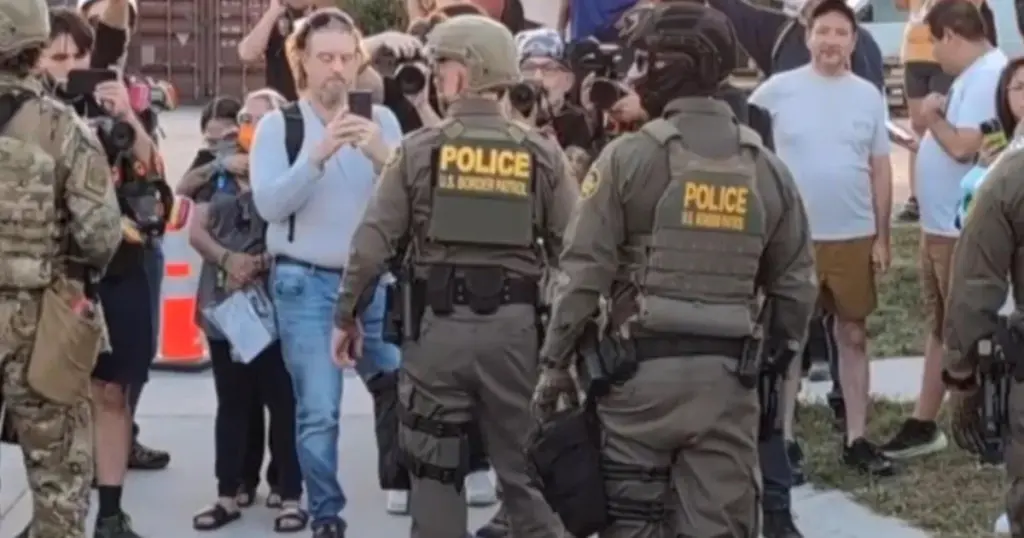
In a court proceeding, the DOJ cited a 2025 ICE memo to justify the arrests made at immigration courts. However, the DOJ later clarified that this memo does not apply to civil immigration enforcement actions in or near these courts. This clarification has led to concerns about the hundreds of migrants who have been arrested as part of a broader crackdown on migration, which has intensified in recent years.
In response to the error, the DOJ expressed regret, stating, “We deeply regret this error.” The department has indicated that the misinformation originated from ICE, which has been under scrutiny for its aggressive enforcement strategies. This situation has prompted U.S. District Judge P. Kevin Castel to reconsider the court’s previous opinion and order regarding ICE’s practices.
Amy Belsher, a representative from one of the advocacy organizations, criticized ICE’s actions, stating, “It is yet again another example of ICE’s brazen disregard for the lives of immigrants in this country.” This sentiment reflects a growing frustration among immigrant rights advocates regarding the treatment of individuals within the immigration system.
The implications of the DOJ’s admission could be far-reaching, particularly for the ongoing federal case challenging ICE’s tactics. The ACLU of New York has remarked on the significance of this development, asserting, “The implications of this development are far-reaching.” Observers are closely monitoring how this situation will unfold in the courts and its potential impact on immigration enforcement policies.
Despite the DOJ’s acknowledgment of the error, the Department of Homeland Security (DHS) has stated that there will be no changes to the current policy regarding arrests at immigration courts. A DHS spokesperson commented, “Nothing prohibits arresting a lawbreaker where you find them,” reinforcing the agency’s stance on maintaining its enforcement practices.
As the legal proceedings continue, it remains unclear how the DOJ’s admission will impact the immigrants detained under the policy. Details remain unconfirmed, leaving many advocates and affected individuals in a state of uncertainty regarding their future and the broader implications for immigration enforcement.