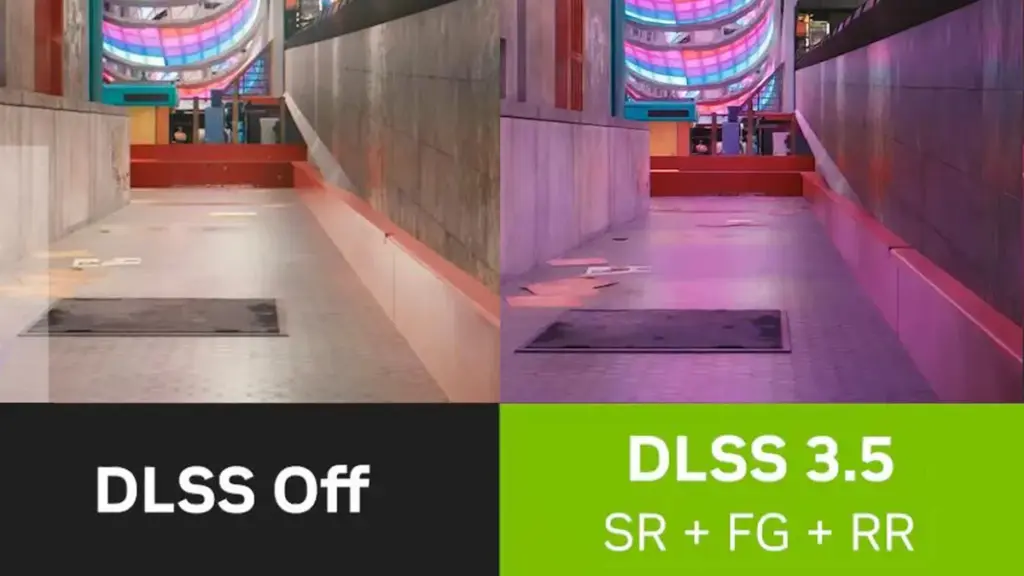
Before the introduction of DLSS 5, expectations in the gaming community were centered around incremental improvements in graphics technology. The previous version, DLSS 4.5, had already made strides in performance, with 23 out of every 24 pixels on the screen being drawn by its technology. However, the limitations of traditional real-time rendering were still evident, leaving gamers and developers yearning for more.
The decisive moment came with NVIDIA’s announcement of DLSS 5, which is touted as the most significant breakthrough in computer graphics since the debut of real-time ray tracing in 2018. This new technology introduces a real-time neural rendering model that infuses pixels with photoreal lighting and materials, allowing for gameplay at up to 4K resolution.
The immediate effects of DLSS 5 are profound. Major publishers and game developers, including Bethesda, CAPCOM, and Ubisoft, have committed to supporting this technology in upcoming titles. Games like AION 2, Assassin’s Creed Shadows, and Starfield are set to benefit from these advancements.
Experts in the field have weighed in on this shift. Jensen Huang, CEO of NVIDIA, described DLSS 5 as the “GPT moment for graphics,” emphasizing its ability to blend handcrafted rendering with generative AI. This combination is expected to deliver a dramatic leap in visual realism while maintaining the creative control that artists require.
Furthermore, Todd Howard of Bethesda noted that with DLSS 5, the artistic style and detail of games can shine through without the constraints of traditional rendering limits. Jun Takeuchi from CAPCOM echoed this sentiment, stating that DLSS 5 represents a significant step in enhancing visual fidelity, thereby immersing players deeper into game worlds.
Charlie Guillemot from Ubisoft also expressed optimism, highlighting that DLSS 5 is a real step towards achieving higher standards in graphics. This technology not only enhances the visual experience but also provides game developers with detailed controls for intensity, color grading, and masking.
As the gaming industry prepares for the arrival of DLSS 5 this fall, the anticipation is palpable. With an increase in compute power since the dawn of NVIDIA GeForce reaching 375,000, the potential for innovation in gaming graphics is unprecedented.
Details remain unconfirmed regarding the exact release dates and full capabilities of DLSS 5, but the excitement surrounding its potential impact on the gaming landscape is undeniable.