Who is involved
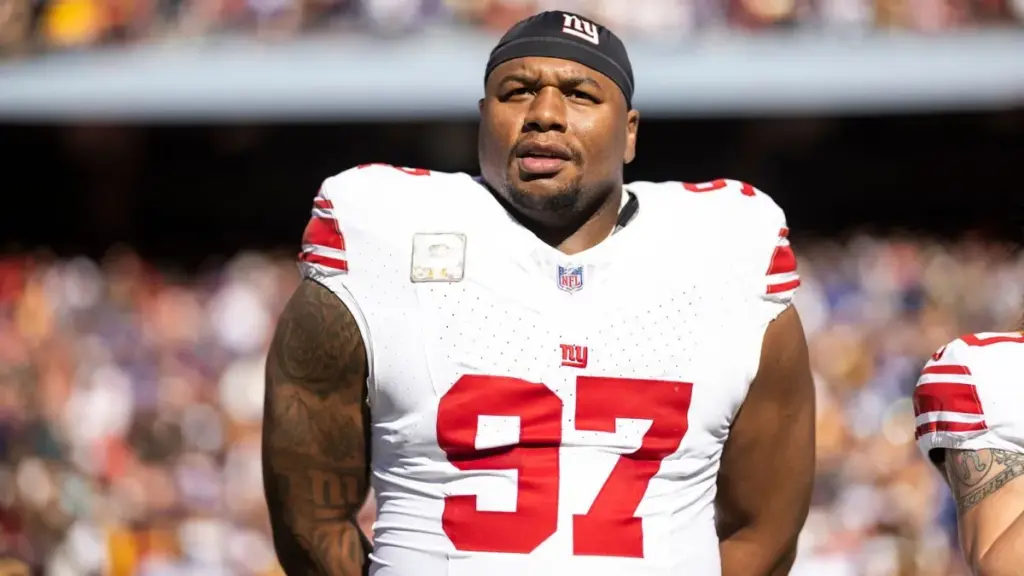
Dexter Lawrence, a prominent defensive tackle for the New York Giants, has made headlines with his recent trade request. This development marks a significant shift in his relationship with the team, which he has represented since being drafted 17th overall in 2019. Prior to this request, expectations were that Lawrence would continue to be a cornerstone player for the Giants, contributing to their defensive lineup as he has done for the past seven seasons.
However, the situation changed dramatically on April 6, 2026, when Lawrence formally requested a trade. This decisive moment came after multiple offseasons of unsuccessful contract negotiations, leaving Lawrence dissatisfied with his current situation. He has opted not to attend the Giants’ offseason workout program, signaling his commitment to pursuing a trade. As it stands, Lawrence is 28 years old and has two years remaining on his contract, set to earn $20 million and $19.5 million in the upcoming seasons.
The immediate effects of this trade request are significant for both Lawrence and the Giants. For Lawrence, this move reflects his desire for a contract that aligns with his perceived value in the league. Despite finishing the previous season with a career-low 31 tackles and only half a sack, he has been recognized as a valuable player, having been selected to three Pro Bowls and named a second-team All-Pro twice. His performance metrics, including eight quarterback hits and a pass rush win rate of 8.3% in 2025, further underline his potential impact on any team that acquires him.
For the Giants, Lawrence’s request places them in a challenging position. If they decide to honor his request and place him on the trade block, he would immediately become one of the best available players in the market. This could lead to significant interest from other teams looking to bolster their defensive line. However, experts note that trade requests are often part of standard negotiating tactics, and the Giants have the option to retain Lawrence, should they choose to do so.
John Harbaugh, a notable figure in the NFL, emphasized Lawrence’s importance, stating, “He’s super, super important. He’s a cornerstone football player — not really a cornerstone, more like the middle stone. He’s right in the middle. He’s a very big stone, and he’s a very active, athletic one.” This perspective highlights the value that Lawrence brings to any team, as well as the potential ramifications for the Giants if they lose him.
As the situation unfolds, the Giants must weigh their options carefully. Keeping Lawrence could mean maintaining a strong defensive presence, while trading him could open up new opportunities for the team. The decision will ultimately depend on the team’s assessment of Lawrence’s value and their willingness to negotiate a new contract that satisfies both parties.
Details remain unconfirmed regarding the potential outcomes of this trade request, but the implications for Lawrence and the Giants are clear. The coming weeks will be critical as both sides navigate this complex situation, with Lawrence’s future in the NFL hanging in the balance.