Reaction from the field
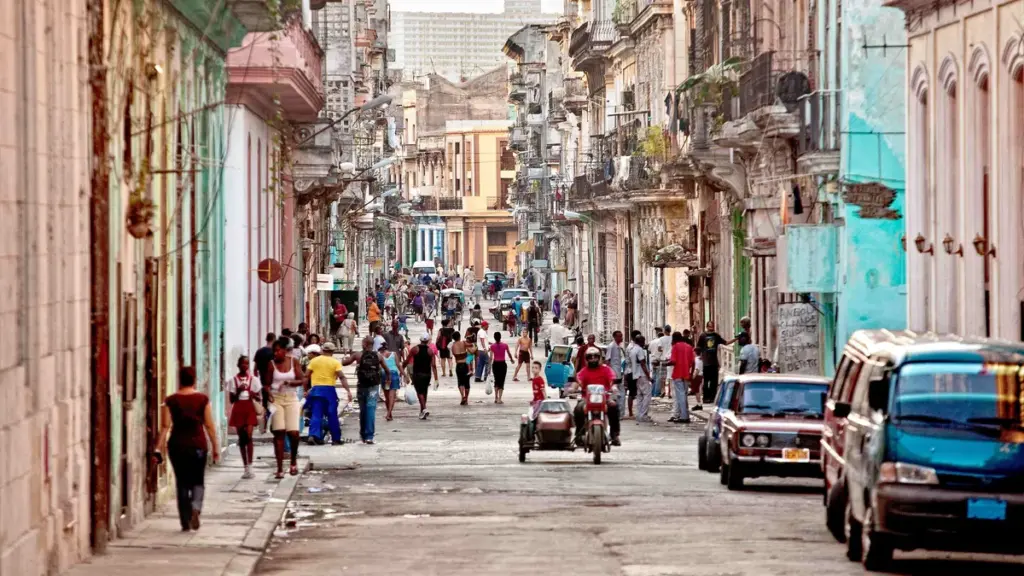
Cuba is grappling with a significant humanitarian crisis, driven primarily by the ongoing U.S. blockades that have severely restricted its access to essential resources, including fuel. The situation has escalated to the point where half (51 percent) of surveyed Canadians believe that Canada should provide aid to Cuba, even if it risks backlash from the United States. In response to this urgent need, Canada has sent $8 million in food aid to the island nation.
The humanitarian crisis in Cuba has been compounded by a fuel shortage, which has left many citizens struggling to meet their basic needs. The U.S. has imposed strict sanctions not only on Cuba but also on Venezuela, which has historically been Cuba’s primary source of fuel. This blockade has effectively cut off vital supplies, leading to dire conditions for the Cuban population.
Recently, two U.S. lawmakers visited Cuba and called for an end to the energy blockade, highlighting the detrimental effects of these policies. They described the situation as “cruel collective punishment” and likened it to an economic bombing of the country’s infrastructure, which has resulted in permanent damage. Their statements echo the sentiments of many who argue that the U.S. policies are unjust and inhumane.
In a notable development, a sanctioned Russian oil tanker successfully unloaded 700,000 barrels of crude oil at Cuba’s Matanzas oil terminal, providing a temporary relief to the fuel crisis. However, the U.S. government has threatened to impose tariffs on countries that supply fuel to Cuba, which could further complicate the situation and limit Cuba’s ability to secure necessary resources.
Cuba’s ambassador to Canada has voiced strong criticism of the U.S. blockades, stating that they are “suffocating an entire people.” This sentiment is echoed by various international observers who argue that the collective punishment inflicted by the U.S. is not only unjustifiable but also detrimental to the well-being of the Cuban population.
As the situation continues to unfold, the international community is closely monitoring the developments. The calls for a reassessment of U.S. policies towards Cuba are growing louder, with advocates emphasizing the need for a longer-term solution that benefits both the Cuban and American people. The urgency of the humanitarian crisis necessitates immediate action, yet the complexities of international relations pose challenges to swift resolutions.
Details remain unconfirmed regarding the potential for changes in U.S. policy or further international aid efforts. The future of Cuba’s humanitarian situation remains uncertain as stakeholders navigate the intricate dynamics of geopolitics and humanitarian needs.