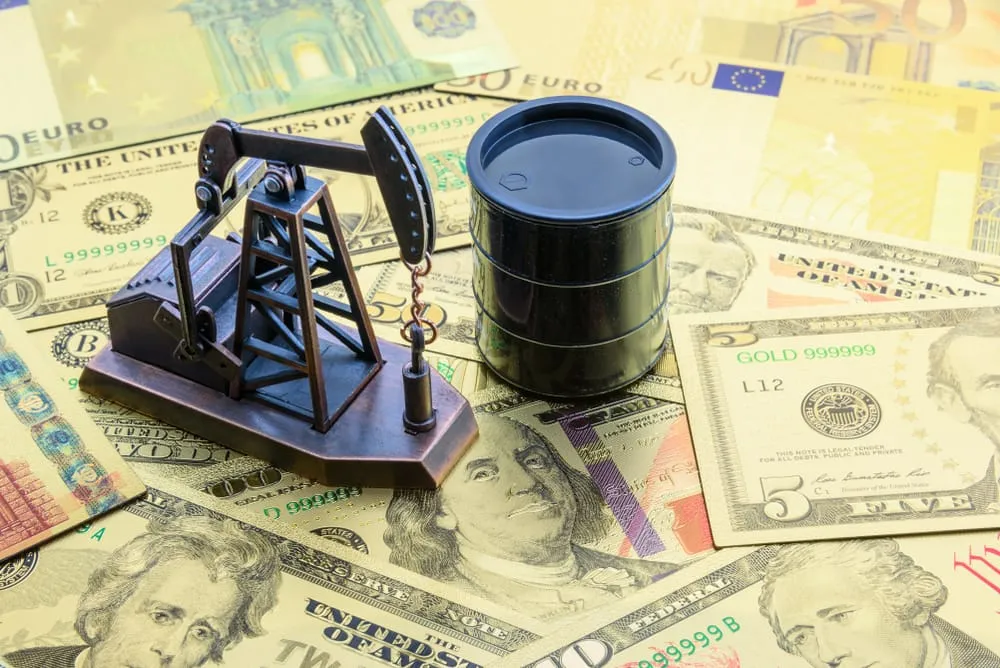
Impact of Recent Price Changes
The price for a barrel of Brent crude has dropped to $89.42, marking a 9.6 percent decline from the previous day. Meanwhile, benchmark U.S. crude is priced at $84.64 per barrel. This sharp decline follows a period where prices soared to nearly $120 per barrel, reflecting the volatile nature of the oil market amid ongoing geopolitical tensions.
Causes of the Price Drop
The ongoing uncertainty surrounding the U.S.-Israel war with Iran has significantly impacted global oil supply, leading to a turbulent day for markets. About 20 percent of the world’s oil supply transits through the Strait of Hormuz, a critical chokepoint for oil shipments. More than 20 million barrels pass through this strait daily, making any disruption a major concern for global energy markets.
Historically, oil prices have been sensitive to geopolitical events. On July 11, 2008, Brent crude reached an all-time high of $147.50 per barrel. The current situation has led analysts to express caution, with Hakan Kaya stating, “The outlook for oil right now is about as binary as it gets.” Ismayil Jabiyev emphasized that “It’s all about risk,” highlighting the precarious nature of oil pricing in the face of conflict.
Currently, if tanker traffic through the Strait of Hormuz remains suspended, there could be a 15 million barrels per day supply shortfall. The East-West Crude Oil Pipeline has a capacity of 4.7 million barrels per day, while Saudi Arabia’s exports that rely on the Strait amount to 6.38 million barrels per day. However, Gulf exporters could potentially reroute 3.5 million barrels per day to terminals outside the strait.
The decline in crude oil prices has had ripple effects on stock markets, with the Dow Jones Industrial Average increasing by 210 points, and the S&P 500 and Nasdaq composite seeing increases of 0.3 percent and 0.6 percent, respectively. This indicates a complex relationship between oil prices and broader market performance.
Despite the current price drop, uncertainties loom large. The exact duration of the conflict and its long-term impact on oil prices remains unclear. As David McWilliams noted, “The lifeblood of the global economy is transport,” underscoring the critical role that stable oil prices play in economic health.
Details remain unconfirmed regarding the potential for further price fluctuations as the situation develops.