Reaction from the field
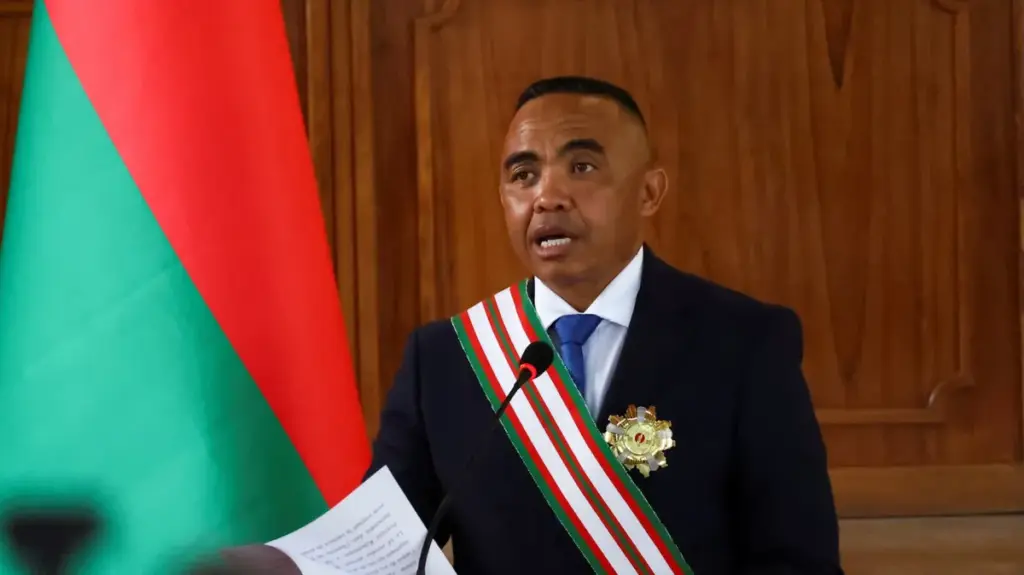
The coup in Madagascar on October 12, 2025, has significant implications for the country’s political landscape. Colonel Michael Randrianirina’s assumption of power has raised concerns about the future of democratic governance, with promises to restore civilian rule within 18 to 24 months. This transition comes on the heels of widespread protests led by Gen Z activists demanding better service delivery, which highlighted the growing discontent among the population.
The High Constitutional Court played a pivotal role in this power shift by declaring the presidency vacant, thus facilitating Randrianirina’s rise. His military unit, known as CAPSAT, was also involved in the previous coup in 2009, raising questions about the continuity of military influence in Madagascar’s governance. The Southern African Development Community (SADC) chose not to suspend Madagascar following this coup, a departure from their actions in 2009, which adds a layer of complexity to the international response.
Despite the SADC’s decision, the African Union (AU) has suspended Madagascar due to what it deems an unconstitutional change of government. This suspension underscores the AU’s commitment to democratic principles, as it prohibits coup leaders from participating in subsequent elections. Randrianirina’s unilateral decisions since taking power have already sparked concerns about his commitment to the promised transition to civilian rule.
Political analysts have referred to this event as a “coupvolution,” indicating a blend of coup and revolution, reflecting the unique circumstances surrounding this transfer of power. The timeline for presidential elections is tentatively set for 2027, but the path to this goal remains fraught with uncertainty. The dialogue process to restore civilian rule is expected to be inclusive, as emphasized by both the SADC and AU Peace and Security Council.
Concerns have been raised regarding the potential for “buyer’s remorse” among the protesters who initially supported Randrianirina. Analysts Salah Ben Hammou and Jonathan Powell noted that the unilateral appointments made by the new leader have already led to dissatisfaction among those who hoped for a more democratic approach. The military juntas that have seized power in various African nations have often promised a return to elections and civilian governance, yet many have failed to meet these commitments.
As Madagascar navigates this tumultuous period, the SADC has a heightened responsibility to monitor Randrianirina’s adherence to the agreed roadmap for transition. The organization’s decision not to suspend Madagascar places additional pressure on them to ensure that the new leader follows through on his promises. Details remain unconfirmed regarding the specific actions that SADC may take if Randrianirina does not adhere to the established timeline for restoring civilian governance.
In summary, the situation in Madagascar remains fluid, with significant implications for its political future. The international community is watching closely as the new regime attempts to balance military control with the demands for democratic governance. Will Randrianirina meet the promised deadlines for restoring civilian rule? Only time will tell as Madagascar embarks on this uncertain journey.