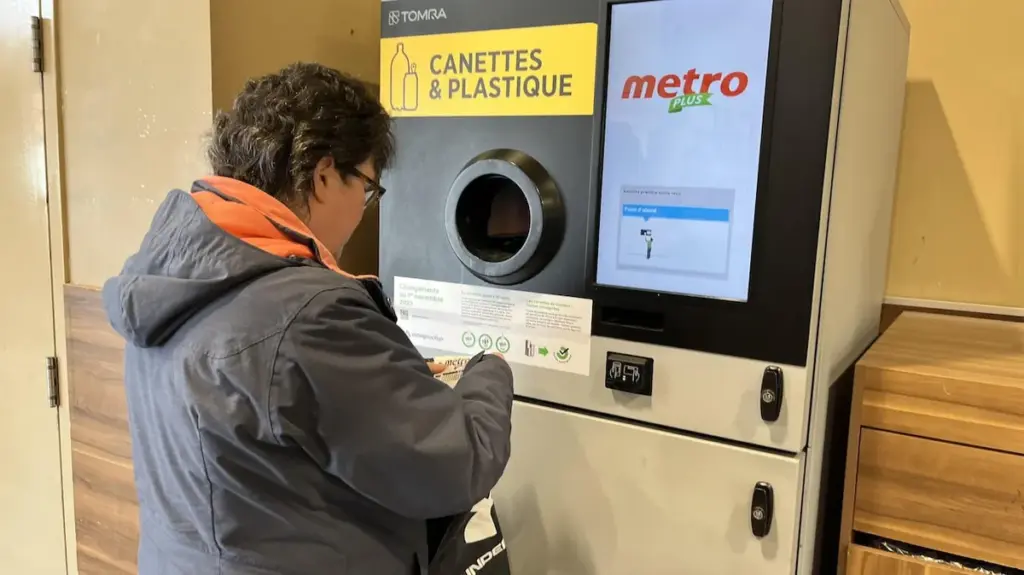
Quebec is currently in the process of implementing a new deposit system, known as consigne, for beverage containers. This initiative, which began its first phase of modernization two and a half years ago, aims to significantly enhance the recovery rates of beverage containers across the province. As of now, there are 143 return locations available to consumers, with a target of expanding this number to 1,200 in the coming years.
The new system has already shown promising results, recovering approximately four billion containers annually, a marked increase from the 2.5 billion containers recovered before the modernization efforts began. The goal of Consignaction is ambitious, aiming for a 90% recovery rate of all beverage containers by the year 2032. Currently, only aluminum and plastic containers are included in the deposit system, while carton and glass containers are set to be integrated starting in March 2027.
As part of the transition, machines for returning deposit bottles and cans are being gradually removed from grocery stores, prompting some consumers to express concerns about accessibility. Marica Vazquez Tagliero, a local resident, noted, “Even a kilometer is a lot when you come with your bag,” highlighting the challenges faced by individuals who may need to travel further to return their containers. She further emphasized the need for a straightforward process, stating, “If I paid [for] five cans and I want to return them, I should have the right to do so and it should be easy for me, it shouldn’t be complicated.”
In addition to the logistical changes, the modernization of the deposit system is part of a broader effort to improve recycling and recovery rates in Quebec. Currently, about 50% of the provincial volume is treated in Consignaction centers, reflecting a significant step towards enhancing the province’s environmental sustainability efforts.
During testing phases, the highest return rate achieved at integrated points of sale was 18.6%, indicating a positive reception among consumers. The initiative is also aligned with the law AGEC, which mandates that by 2027, 10% of packaging must be reusable. This legislative framework supports the overarching goal of reducing waste and promoting a circular economy.
Jean-François Lefort, a spokesperson for the initiative, described the scale of the project as “massive,” underscoring the extensive planning and resources required to achieve the ambitious targets set forth by the government. The principle behind the experimentation encourages consumers to return empty containers after using the product at home, fostering a culture of recycling and responsible consumption.
As Quebec continues to roll out the consigne system, officials are monitoring its effectiveness and making adjustments as necessary. The success of this initiative could serve as a model for other provinces and regions aiming to enhance their recycling programs and reduce environmental impact.