Introduction
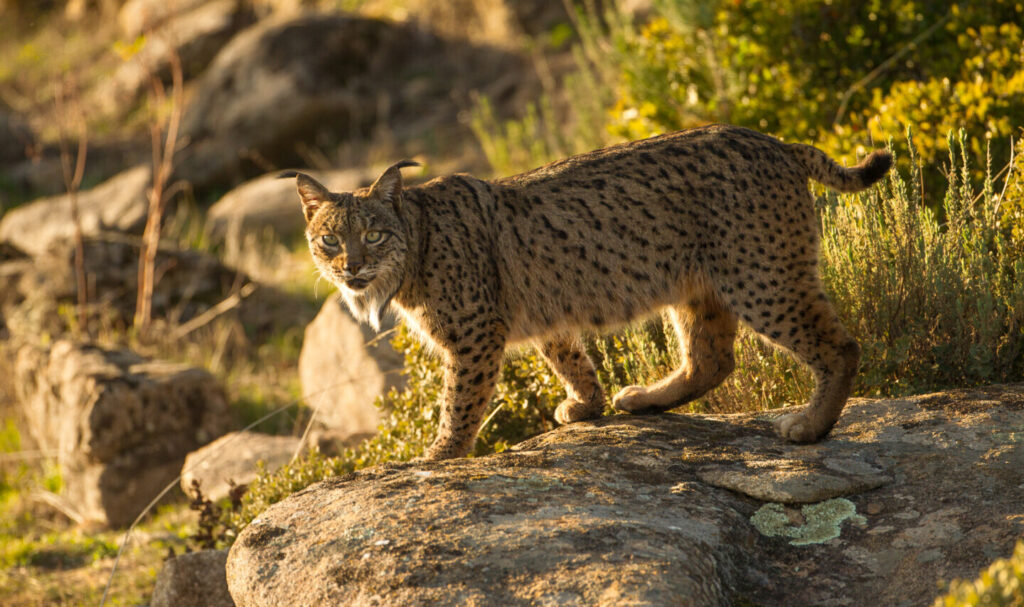
The Iberian lynx (Lynx pardinus) is one of the world’s most endangered feline species, primarily found in the Iberian Peninsula, specifically in southern Spain and Portugal. With an estimated population of only around 400 individuals left in the wild, the significance of conservation efforts for the Iberian lynx cannot be overstated. These efforts are not only crucial for the survival of this remarkable species but also play a key role in maintaining the biodiversity of their ecosystems.
Conservation Efforts
In recent years, various organizations and government bodies have ramped up their initiatives to save the Iberian lynx from extinction. In 2023, initiatives such as habitat restoration, wildlife corridors, and species monitoring have gained momentum. The European Union has also been a strong supporter of these efforts, providing funding through the LIFE program aimed at conservation projects.
One notable success story is the reintroduction of the Iberian lynx into areas where it had previously disappeared. In 2023, more than 30 lynxes were released into the wild in the Sierra de Andújar Natural Park, a significant step towards increasing genetic diversity and establishing stable populations in various regions.
Current Challenges
Despite these efforts, challenges remain. Habitat fragmentation caused by urban development and agriculture continues to threaten the lynx’s living space. Furthermore, road fatalities constitute a considerable risk, as these animals often cross roads while hunting or searching for mates. Conservationists stress the need for more measures, such as creating safe crossings and conducting awareness campaigns to reduce vehicle-related deaths.
Community Involvement
Community involvement has also proven essential in the fight to save the Iberian lynx. Local communities are becoming increasingly engaged in conservation efforts through education and ecotourism projects, which highlight the ecological importance of the lynx and its habitat. This not only helps in raising awareness but also provides economic incentives for communities to protect their local wildlife.
Conclusion
As of 2023, there remains hope for the Iberian lynx, but urgent action is required to ensure its survival. The integration of scientific research, community involvement, and regulatory policies will be critical in the coming years. Continued public awareness and international support are vital for sustaining efforts to protect this iconic feline species and the rich biodiversity of the Iberian Peninsula.