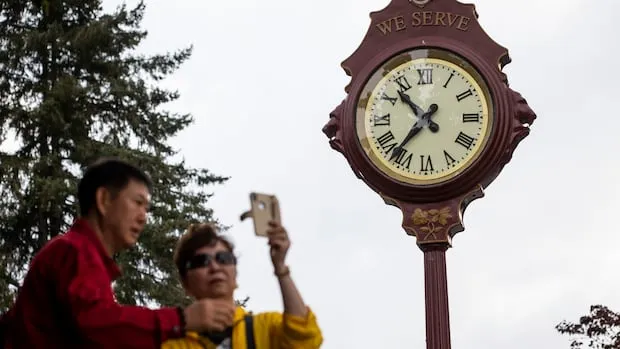
Background on Daylight Saving Time in British Columbia
British Columbia (B.C.) has been part of the ongoing debate surrounding daylight saving time for several years. In 2019, the province passed legislation to switch to permanent daylight time, a move that reflects the preferences of its residents. A survey conducted that year revealed that 93% of British Columbians supported the idea of remaining on daylight time year-round.
Upcoming Changes in 2026
Starting March 8, 2026, B.C. will officially shift to permanent daylight time, meaning that the clocks will spring forward one hour at 2 a.m. on that date. This change marks a significant departure from the traditional practice of adjusting clocks twice a year, as the province will not fall back an hour in November, remaining on Pacific time throughout the year.
Implications of the Change
The decision to adopt permanent daylight time is expected to bring several benefits. According to B.C.’s Ministry of the Attorney General, the extra evening daylight will provide more opportunities for outdoor activities and contribute to safer commutes. This shift aligns with a broader trend observed in various regions where residents have expressed a desire for more daylight in the evenings.
Daylight saving time has a long history in North America, having been first adopted in the United States in 1918 during World War I as a measure to conserve fuel. Since then, it has been consistently in effect, particularly since the 1960s, although its effectiveness in reducing energy consumption has been debated. Currently, only Hawaii and Arizona do not observe daylight saving time in the U.S.
The move towards permanent daylight time has garnered attention from various political figures. Former President Donald Trump has voiced support for more daylight at the end of the day, emphasizing the popularity of the change and the inconvenience associated with the biannual clock adjustments. His comments reflect a growing sentiment among many who find the clock changes to be a costly and disruptive event.
What Lies Ahead
As the clock change approaches, observers are keen to see how the transition will unfold and what impact it will have on daily life in British Columbia. The first day of spring in 2026 will occur shortly after the change, on March 20 at 10:46 a.m. ET, marking a new era for the province’s timekeeping practices. While the shift to permanent daylight time is set, details remain unconfirmed regarding any potential adjustments or challenges that may arise during the implementation phase.