Who is involved
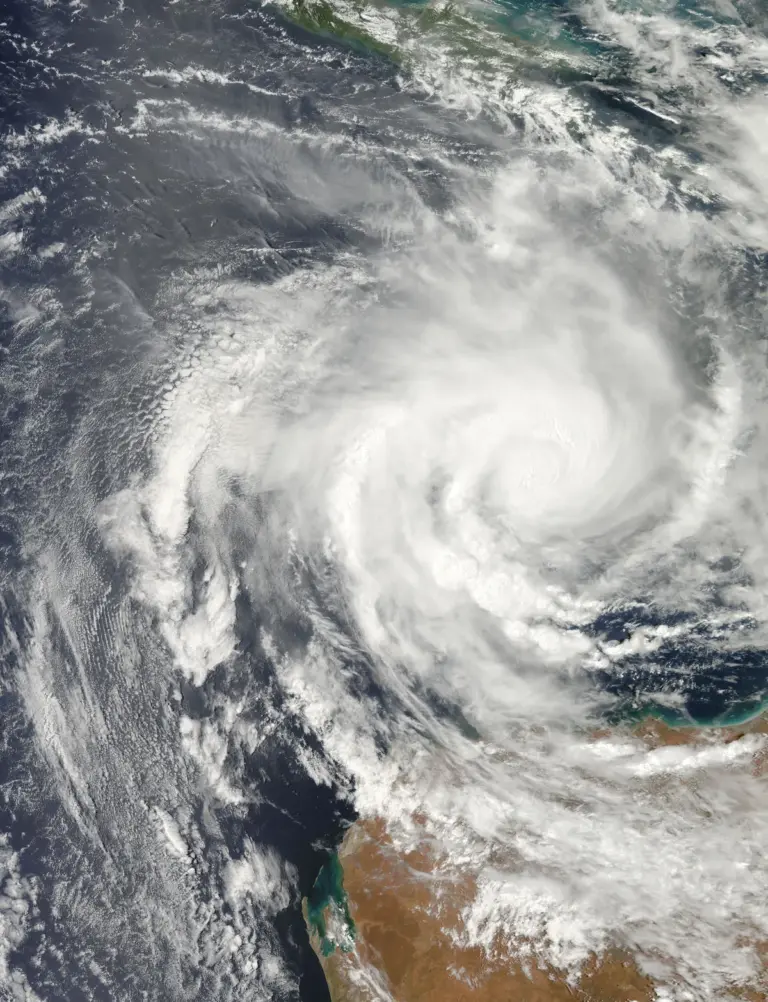
Before the arrival of Cyclone Narelle, expectations in northern and western Australia were relatively stable, with no significant weather events anticipated. The region had not experienced a cyclone affecting multiple states in two decades, leading many to believe that such occurrences were a thing of the past. However, the situation dramatically changed as the cyclone approached, bringing with it severe weather conditions.
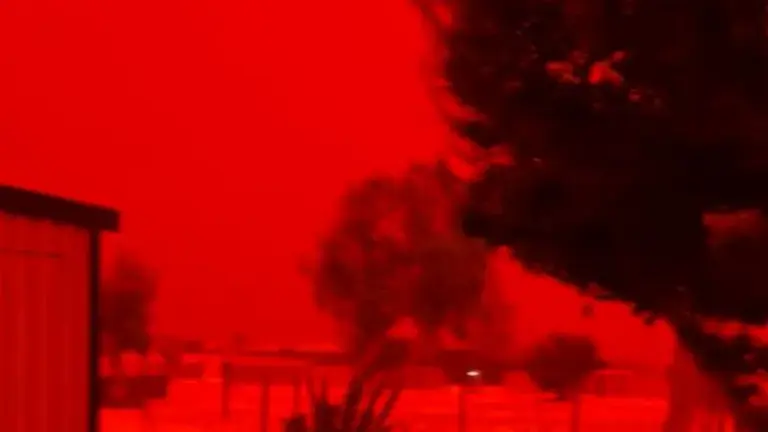
On March 27, 2026, the sky turned an alarming shade of red, a phenomenon that was directly linked to Cyclone Narelle. Winds exceeding 250 km/h were reported, and the cyclone’s trajectory spanned over 4000 kilometers, impacting areas including Shark Bay, Exmouth, and Carnarvon. This striking red sky was not merely a visual anomaly; it was caused by red dust particles from the iron-rich soil of Western Australia being suspended in the atmosphere.
The immediate effects of this event were profound. The red sky was observed between March 27 and March 28, 2026, and lasted several hours until rain cleared the dust from the atmosphere. Residents reported a surreal experience, as Kerrie Shepherd noted, “C’était rouge partout où nous regardions,” which translates to “It was red everywhere we looked.” The cyclone also caused significant damage to buildings and crops in the affected areas, highlighting the destructive power of such weather events.
Experts have pointed out that the red color in the sky was a direct result of the cyclone’s violent winds, which lifted dust particles into the air. As one expert explained, “Quand on a un cyclone avec des vents très violents, qui mettent ces particules en suspension dans l’atmosphère, on a comme un filtre, et on ne voit plus que la lumière rouge,” indicating that the cyclone created a filter that allowed only red light to be visible.
This event is particularly notable as it marks the first cyclone to affect three Australian states in twenty years, drawing attention to the potential for increased frequency and intensity of such weather phenomena due to climate change. The red sky phenomenon has been documented previously, with a similar occurrence in January in Onslow, Western Australia, suggesting a pattern that may require further investigation.
As the dust settled and the immediate danger passed, the focus shifted to recovery and assessment of the damage caused by Cyclone Narelle. Communities began to evaluate the impact on infrastructure and agriculture, with many residents left to deal with the aftermath of the cyclone’s fury. The event serves as a stark reminder of the power of nature and the importance of preparedness in the face of such unpredictable weather events.
Details remain unconfirmed regarding the full extent of the damage and the long-term implications of Cyclone Narelle. However, the striking imagery of a red sky will likely remain etched in the memories of those who witnessed it, serving as a powerful symbol of the changing climate and the challenges that lie ahead for Australia.