Key moments
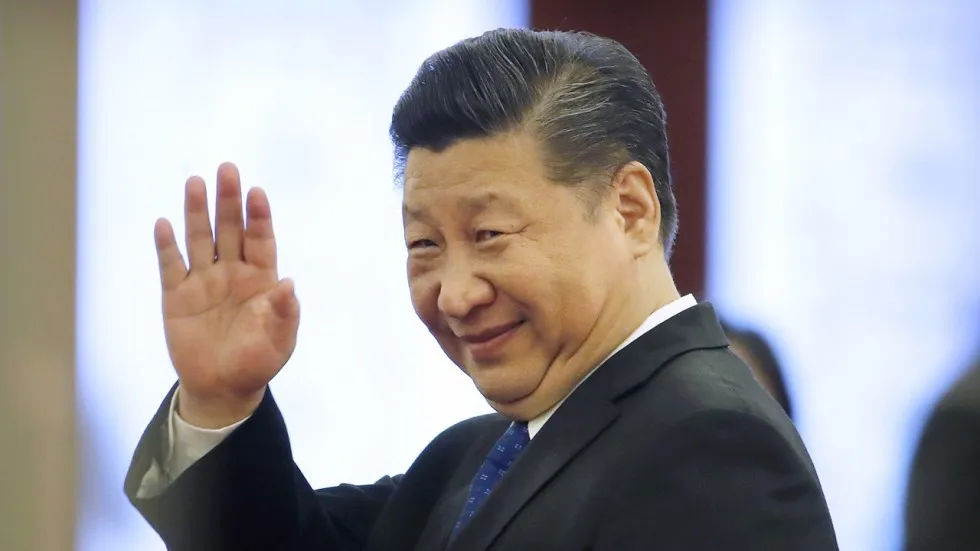
On April 6, 2026, in Beijing, Chinese President Xi Jinping announced a significant push for the accelerated planning and construction of a new energy system aimed at safeguarding China’s energy security. This announcement comes at a time when China is grappling with its heavy reliance on coal, which constitutes more than half of its energy mix. Furthermore, China operates over half of the world’s coal-fired power capacity and is recognized as the largest consumer of coal globally.
In conjunction with these developments, China has been actively pursuing international trade relationships, particularly with Canada. Currently, China imposes a 25% duty on imports of Canadian pork, which has been a point of contention in trade discussions. Despite this, Canada remains a crucial trade partner for China, with bilateral trade amounting to approximately C$120 billion (around $86 billion). Canada has set an ambitious goal to increase its overall exports to China by 50% by 2030, indicating a strong desire to enhance economic ties.
China’s energy strategy is not only focused on coal but also on diversifying its energy sources. In July 2025, China began construction of the world’s largest hydropower dam on the eastern rim of the Tibetan Plateau, marking a significant step towards a greener energy future. This initiative aligns with Xi Jinping’s vision of developing a more diversified and resilient energy system, which he stated would provide a strong guarantee for China’s energy security and economic development.
Amid these developments, China’s economy has faced challenges due to U.S. tariffs and the pressing need for energy imports from Iran. The complexities of international relations are evident as China navigates its energy needs while managing trade relationships with various countries. The effectiveness of negotiations between the U.S. and Iran remains unclear, adding another layer of uncertainty to China’s energy strategy.
François-Philippe Champagne, Canada’s Minister of International Trade, has emphasized the importance of removing trade irritants between Canada and China. He stated, “Part of my message to the Chinese side was, really, we need to get to a point where we remove these trade irritants.” This sentiment reflects Canada’s commitment to fostering a more cooperative trade environment with China.
Champagne also noted, “We are becoming a partner of choice,” highlighting Canada’s aspirations to strengthen its position in the Chinese market. As both countries work towards improving trade relations, the outcome of these discussions remains uncertain, particularly concerning supply chain integrity and the resolution of existing trade barriers.
As China continues to develop its energy strategy and navigate international relations, the implications of these actions will be closely monitored by global observers. Details remain unconfirmed regarding the long-term impacts of these developments on China’s energy security and its relationships with key partners like Iran and Canada.