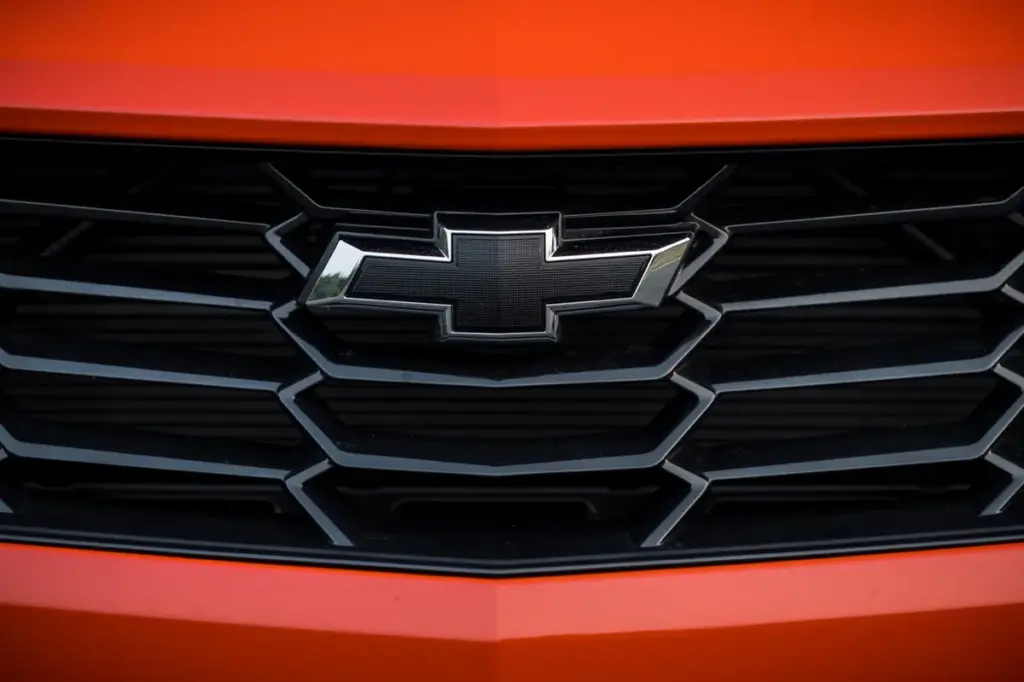
The upcoming Chevy Camaro replacement is poised to make a notable impact in the automotive market, shifting away from the traditional two-door sports car format that has defined the model for decades. As the two-door mainstream sports car segment has been declining, with an overall contraction of 18.98% in 2025, General Motors (GM) is adapting its strategy to meet changing consumer preferences.
The new Camaro will ride on the updated GM Alpha 2-2 platform, which has previously supported performance variants like the ATS-V and CTS-V. This platform will enable the upcoming model to feature a front-engine, rear-wheel-drive layout, characteristics that have long been associated with the Camaro brand. However, the replacement will introduce a four-door configuration, marking a significant departure from its two-door heritage.
GM’s decision to explore a four-door model is influenced by the current market dynamics, where competitors like the Ford Mustang have captured a substantial 60% market share in 2025, with YTD sales reaching 45,333 units. In contrast, the Dodge Charger EV and other sports cars such as the Toyota 86 and Mazda MX-5 Miata have also seen varying degrees of success, with sales figures of 7,421 and 8,727 respectively. This competitive landscape underscores the necessity for Chevrolet to innovate and address deficiencies in its current lineup.
Despite the shift towards a four-door model, GM remains cautious about using the ‘Camaro’ badge on a vehicle that does not conform to the traditional two-door format. Sources indicate that while a two-door variant is not entirely ruled out, current efforts are focused on the four-door design. The feasibility of introducing a two-door Camaro will likely depend on the next-generation Cadillac CT5, which may influence GM’s broader strategy for its performance vehicles.
Furthermore, if GM were to green-light a coupe version of the Camaro replacement, it would likely need to include a convertible variant to cater to rental car companies and enthusiasts who expect such options. The two-door body variant’s potential is further complicated by the contraction of the two-door sports car segment, which has seen a significant decline in sales.
As the Chevy Camaro replacement takes shape, it is clear that GM is attempting to balance the legacy of the Camaro with the realities of the modern automotive market. A well-styled sporty car with four doors could serve as a versatile option for Chevrolet, effectively addressing the needs of a broader audience while still appealing to performance enthusiasts.
Details remain unconfirmed regarding the final name for the Camaro replacement, which is still under consideration. As GM navigates these changes, the automotive community will be closely watching how the new model will be received in a market that is increasingly favoring practicality and versatility over traditional sports car designs.