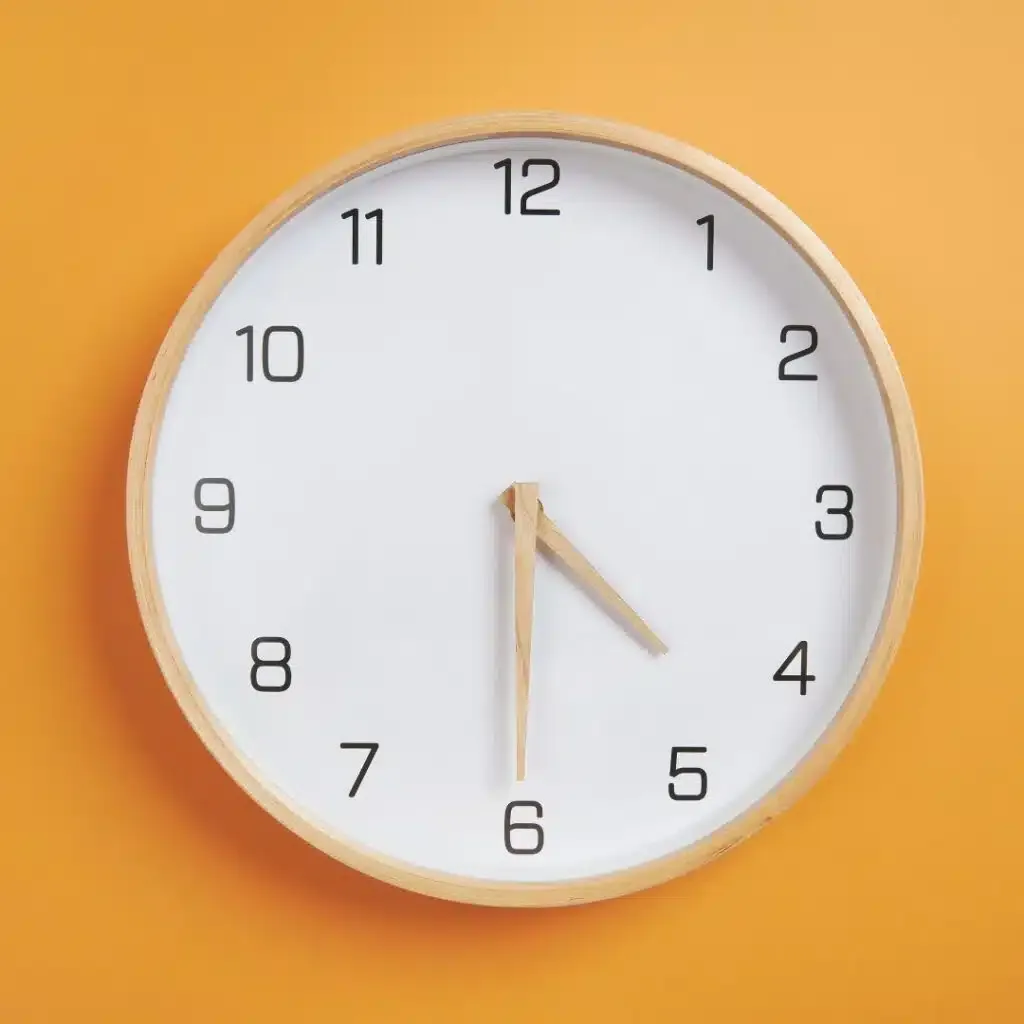
Daylight Saving Time Change in Quebec
Daylight saving time was instituted during World War I to save electricity. In Quebec, the upcoming change will take place on the night of March 7 to 8, 2026, when residents will lose one hour of sleep as the clocks move forward at 2 AM, returning to Eastern Daylight Time (UTC-4).
Following the change, the sun will set later in the evening, just before 7 PM, and will rise just before 8:30 AM the following day. This shift is expected to affect daily routines and sleep patterns for many residents.
It is important to note that not all areas in Quebec participate in the time change. For instance, Basse-Côte-Nord remains on Eastern Standard Time (UTC-4) year-round, avoiding the biannual disruption.
In addition to the March change, Quebec will observe another time change on the night of October 31 to November 1, 2026. This will again prompt residents to adjust their clocks and routines.
Meanwhile, in British Columbia, the situation is different. The province will no longer change the time after March 8, 2026, following a public consultation where 93% of participants expressed a desire to abolish the time change altogether. This decision reflects a growing sentiment against the biannual clock adjustments.
David Eby, a key figure in the discussion, stated, “Lorsque nous changeons l’heure deux fois par an, cela crée toutes sortes de problèmes,” highlighting the complications that arise from the time change.
As Quebec prepares for the upcoming daylight saving time change, observers are closely monitoring how the adjustments will impact daily life and whether similar sentiments will arise in other regions regarding the necessity of the time change.
Details remain unconfirmed regarding any future changes to the time change policy in Quebec, but the ongoing discussions in British Columbia may influence broader conversations across Canada.