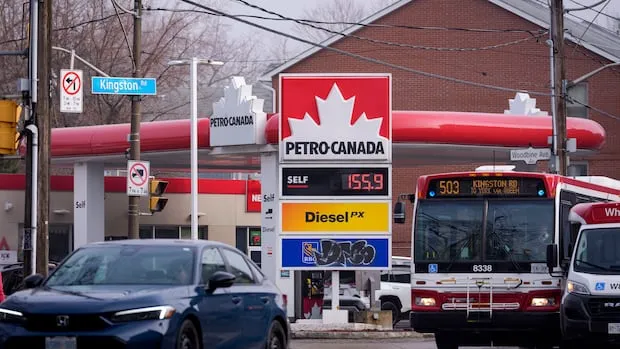
Recent Surge in Gas Prices
In recent weeks, Canada has experienced a notable increase in gas prices, with average retail prices climbing to 150 cents per litre, up from 133.4 cents per litre just a week prior. This surge is attributed to various factors, including disruptions in global oil markets and rising crude oil prices.
Regional Variations
British Columbia currently holds the record for the highest gas prices in the country, reaching 168.6 cents per litre. Meanwhile, in Edmonton, prices have risen to approximately $1.50 per litre. These regional discrepancies highlight the varying impacts of local supply and demand dynamics on gas prices across Canada.
Wholesale Price Increases
Wholesale gasoline prices have also seen a significant increase, rising roughly 20 cents since Tuesday, while diesel prices have surged nearly 40 cents. This upward trend in wholesale prices is expected to translate into further increases at the pump, with projections indicating that gasoline prices could rise by another 10 to 12 cents next week, and diesel prices by approximately 20 cents.
Global Influences
The ongoing conflict in the Middle East has disrupted oil tanker traffic in the Strait of Hormuz, a critical shipping route for global oil supplies. As a result, benchmark crude oil prices in the United States have reached a two-year high, surpassing $90 US per barrel. This escalation in crude oil prices has a direct impact on the cost of gasoline and diesel in Canada.
Local Perspectives
Local residents are feeling the pinch of rising gas prices. Amy Gooding, a consumer, expressed, “To me, I feel like I need gas regardless of the price. But I guess that cuts into other things that you could use the money for.” Another resident, Bailey Jones, noted, “It’s probably only going to get worse,” reflecting concerns about the sustainability of current price levels.
Future Expectations
Experts are cautioning that the upward trend in gas prices may continue. Dan McTeague, an industry analyst, stated, “Next week we might see prices go even higher — another 10 to 12 cents at least on the gasoline side, and probably another 20 cents on the diesel side.” This forecast underscores the volatility of the current market conditions.
Economic Implications
The fluctuations in gas prices have significant implications for the Canadian economy, particularly in Alberta, where the provincial budget heavily relies on royalties from oil and gas operations. Richard Masson, an industry expert, remarked, “Higher prices can support resource revenues if they are sustained, but it’s important to remember that revenues are driven by monthly average prices over time, not daily trading levels.” This highlights the importance of stability in oil prices for economic planning and revenue generation.
Current State of Affairs
As it stands, the combination of geopolitical tensions, rising crude oil prices, and local market dynamics has created a challenging environment for consumers and policymakers alike. The situation remains fluid, with details on future price movements yet to be confirmed. The ongoing developments in the global oil market will continue to play a crucial role in shaping the landscape of Canada gas prices in the coming weeks.