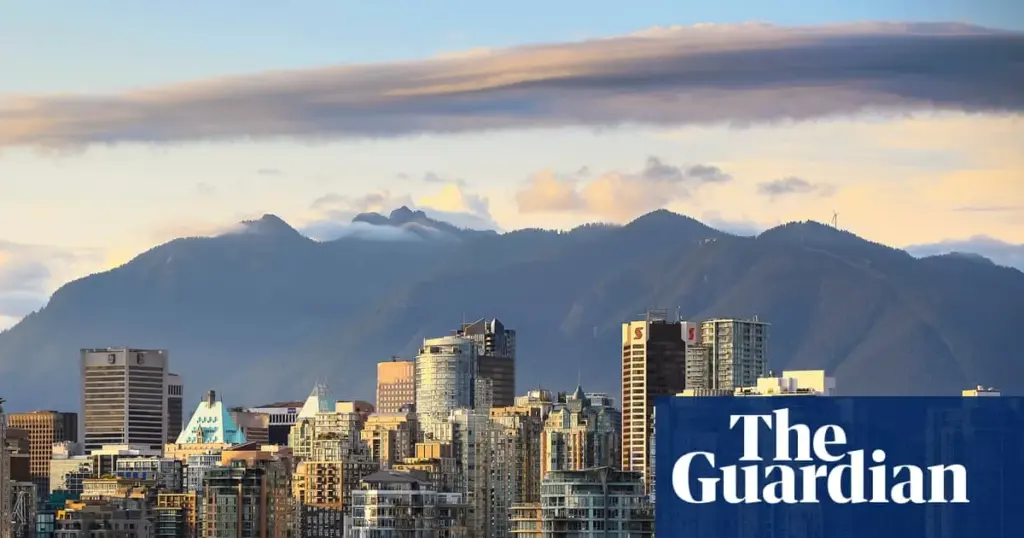
Canada has cut migration levels, including the number of foreign workers and students, in an effort to reduce housing costs. This decision comes as average asking rents have been falling for 17 straight months nationally, with some cities witnessing a drop in apartment prices by as much as a third due to decreased demand from foreign students.
From 2001 to 2020, Canada’s population grew by about 400,000 annually, leading to significant pressure on the housing market. The average population growth required 160,000 net new homes per year, but the post-2021 surge in residents necessitated 490,000 homes, highlighting the challenges faced in managing housing supply.
Despite the recent 3% to 5% drop in rents over the past two years, affordability remains a significant issue for many Canadians. More than half of Canadians surveyed in late 2024 expressed concerns that too many immigrants were entering the country, indicating a shift in public sentiment regarding immigration and housing.
Carolyn Whitzman, an expert in urban planning, remarked, “Immigration itself isn’t a problem. Planning that doesn’t take immigration into account is a problem,” emphasizing the need for better integration of immigration policies with housing strategies. This perspective reflects a growing recognition of the complexities involved in managing population growth and housing demand.
Steve Pomeroy, a housing analyst, expressed his concerns, stating, “Oh, shit, what have we done?” This sentiment captures the anxiety surrounding the rapid changes in the housing market and the implications of migration policies.
The temporary foreign worker and international student systems have been criticized for being under-managed, contributing to rental market pressures. As Canada continues to navigate these challenges, observers are keenly watching how these policy changes will impact the housing landscape and overall population dynamics.
Mark Carney, a prominent Canadian economist, has stated, “United, we will build Canada strong … a Canada strong that no one can ever take away,” reflecting a vision for a more sustainable approach to growth and development in the country.
As the government implements these changes, the long-term effects on the housing market and public opinion regarding immigration remain to be seen. Details remain unconfirmed regarding the full impact of these policies on future migration trends and housing stability.