The numbers
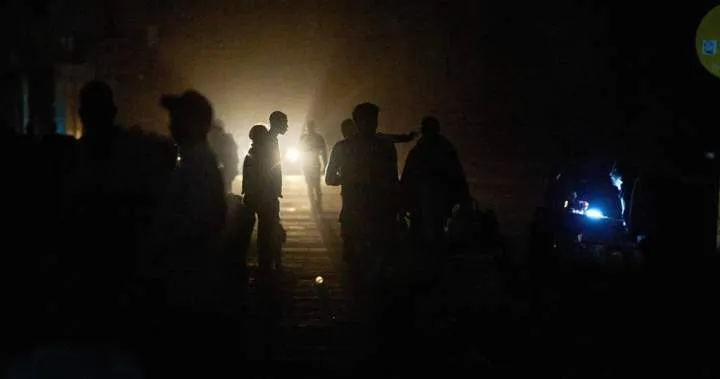
Canadians Leanne Isaak and Elise Hjalmarson are currently engaged in a humanitarian mission in Cuba, where they have brought 14 suitcases filled with medical supplies and other essential goods. This effort comes at a time when Cuba is grappling with severe power outages, leaving many of its 11 million residents without electricity for extended periods.
The situation has worsened following the removal of Venezuela’s leader in January, which halted critical petroleum shipments to Cuba. This disruption has significantly impacted Cuba’s already fragile electric grid, which collapsed last week, resulting in an island-wide blackout. Isaak noted the dire circumstances, stating, “People say, ‘I may not get power again for three days so I’m going to do everything that I need to do in this one or two-hour time-frame to prepare for the next chunk of time when I’m just going to try to keep going.'”
According to Cuba’s deputy foreign minister, Canada has become Cuba’s largest foreign investor after Spain, highlighting the importance of Canadian involvement in the region. However, the Canadian Commercial Corporation has ceased assisting new entries into the Cuban market due to rising financial risks associated with the ongoing crisis.
Sherritt International, a Canadian company, has reported a staggering debt of $344 million owed by the Cuban government, underscoring the financial strain on the island. The economic situation is compounded by a tourism crisis, with hotels facing shortages of food, electricity, and water. Maria Werlau, an observer of the situation, remarked, “The operating environment is near collapse. In the hotels, there’s shortages of food, there’s no electricity, no water, poor service, poor maintenance.”
The humanitarian mission led by Isaak and Hjalmarson aims to distribute medical supplies and food to various locations across Cuba, addressing the immediate needs of the population. As the crisis deepens, many Canadian companies are finding it increasingly difficult to operate in Cuba, primarily due to U.S. sanctions and the deteriorating economic landscape.
Cuba’s economy has been described as ‘technically bankrupt’ since the 1980s, and the current energy crisis exacerbates this long-standing issue. The island has historically relied on Venezuela for fuel, and the recent political changes have intensified the challenges faced by the Cuban government.
As the humanitarian efforts continue, observers are closely monitoring the situation, particularly the impact of international relations on Cuba’s recovery. The blackouts and shortages have left many residents frustrated and uncertain about their future. Carlos Fernández de Cossío Domínguez, a Cuban official, stated, “The blackouts are not a result of Cuban inefficiency, not as the result of Cuba mismanagement of the electrical grid, but because the United States is depriving Cuba of fuel.” Details remain unconfirmed regarding the potential for recovery or further deterioration of the situation.