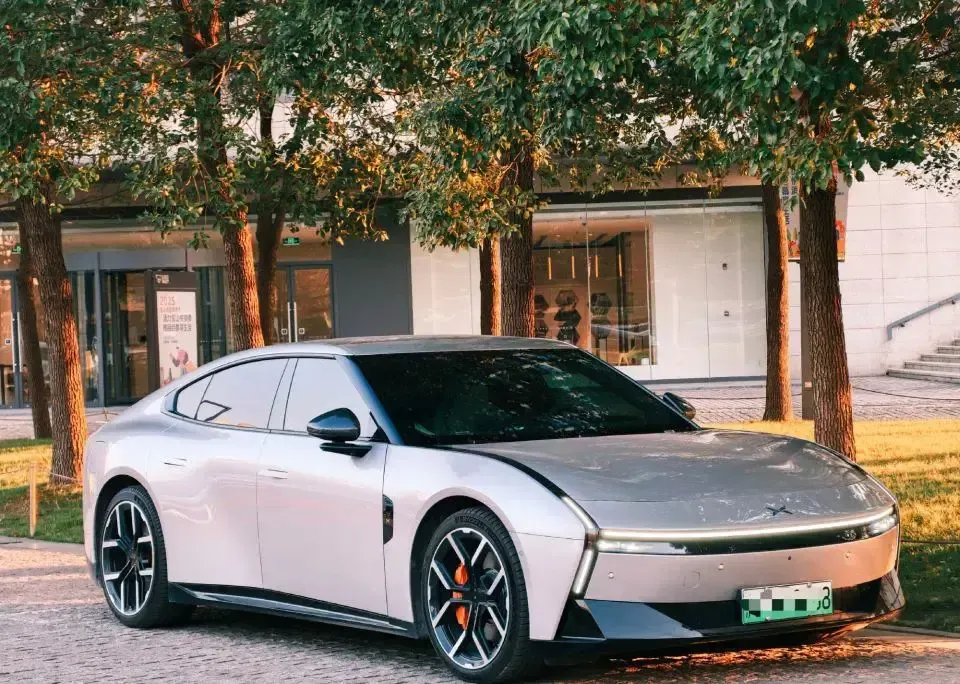
Canada Opens Its Market to Chinese Electric Vehicles
The Canadian auto market officially opened to Chinese-made electric vehicles on March 1, 2026. This pivotal moment raises the question: how will the introduction of these vehicles impact the existing automotive landscape in Canada?
Initially, Canada will allow 49,000 Chinese electric vehicles into the market at a tariff rate of 6.1%. This is a significant reduction from the previous 100% tariff imposed on all Chinese EVs in 2024, which had effectively barred these vehicles from entering the Canadian market. The reduction in tariffs is expected to make Chinese EVs more competitive, as they tend to sell at lower retail prices due to cheaper materials and labor costs.
Leading the charge among Chinese manufacturers is BYD, which is currently the only Chinese EV brand that has received clearance to sell in Canada due to prior applications. Other brands like Chery and Geely are expected to follow, although the permitting process may take longer for them compared to established brands like Tesla, Polestar, and Volvo. Tesla has reportedly cleared its Model 3 inventory in Canada ahead of the arrival of these new competitors, indicating a strategic move to maintain its market share.
According to industry experts, the approval process for vehicles made in China requires compliance with the Motor Vehicle Safety Act and Canada Motor Vehicle Safety Standards. This regulatory framework is designed to ensure that all vehicles meet safety and environmental standards before they can be sold in Canada. Peter Frise, an automotive expert, noted, “If it’s a brand that is already imported to Canada, like a Polestar, a Volvo or a Tesla, then Chinese EVs are already coming.” This suggests that the transition to including Chinese EVs may be smoother than anticipated for certain brands.
Moreover, the Canadian government announced a strategic partnership with China in May 2026, which is expected to facilitate future collaborations in the automotive sector. This partnership could potentially lead to further reductions in tariffs or streamlined approval processes for additional Chinese brands, enhancing competition in the Canadian market.
As the market prepares for the influx of Chinese EVs, it is essential to consider the implications for existing manufacturers. Most of the 24,500 EV imports scheduled for the March to August period will likely consist of existing models from Tesla, Volvo, and Polestar. Tesla, in particular, appears to be in a favorable position, as many of its Chinese-built vehicles are already listed in Transport Canada’s certification database. This gives Tesla a head start in adapting to the new market conditions.
Despite the optimism surrounding the opening of the Canadian market to Chinese EVs, uncertainties remain. It is unclear how the approval process will affect future imports of Chinese EVs, and the exact timeline for when newer Chinese brands will become visible in Canada is not confirmed. As Addisu Lashitew pointed out, “Still, Canada may have an incentive to streamline these procedures in order to reduce the risk of reciprocal delays by China in restoring canola market access.” Details remain unconfirmed.
In conclusion, the arrival of Chinese EVs in Canada marks a significant shift in the automotive landscape, promising increased competition and potentially lower prices for consumers. As the market evolves, stakeholders will be closely monitoring the developments in the approval processes and the performance of these new entrants in the Canadian automotive sector.