What actions are Canada and its allies taking in response to Iran’s blockade of the Strait of Hormuz? In a joint statement with leaders from seven countries, Canada has called for Iran to cease its attempts to block this critical maritime route.
The joint statement emphasizes that the disruption of global energy supply chains constitutes a threat to international peace and security. Approximately one-fifth of the world’s oil and gas supply typically passes through the Strait of Hormuz, making it a vital artery for global commerce.
Since February 28, Iran has effectively blocked the Strait, intensifying its attacks on oil and natural gas facilities around the Persian Gulf. Recently, an Iranian drone struck a Saudi refinery that was intended as an alternative exit route, further escalating tensions in the region.
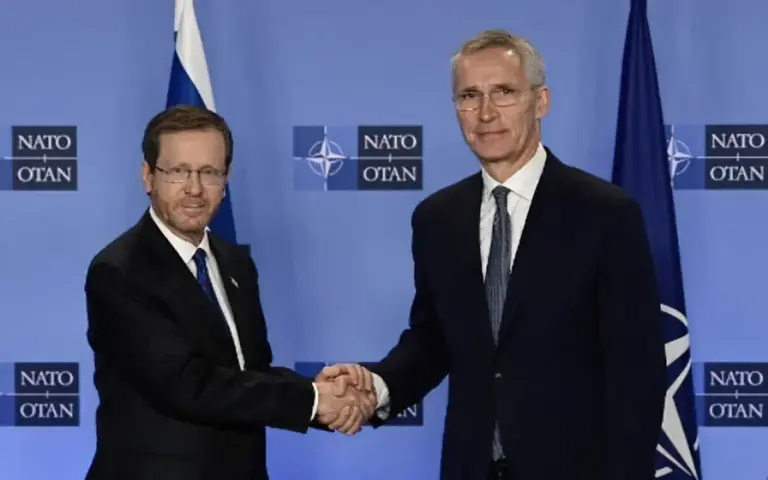
In response to these developments, Canada is considering providing assistance to Iran’s neighboring countries if they request support from NATO. The leaders involved in the joint statement have expressed readiness to contribute to efforts ensuring safe passage through the Strait.
However, European countries have indicated that they will only engage if there are genuine efforts to de-escalate the situation. This cautious approach reflects the complexities of international relations in the region.
The joint statement also calls for an immediate comprehensive moratorium on attacks on civilian infrastructure, including oil and gas installations. The situation remains fluid, and details remain unconfirmed regarding the next steps that Canada and its allies may take.
As the situation evolves, the international community is closely monitoring Iran’s actions and the responses from Canada and its allies. The implications of these developments could have significant effects on global energy markets and international security.