How it unfolded
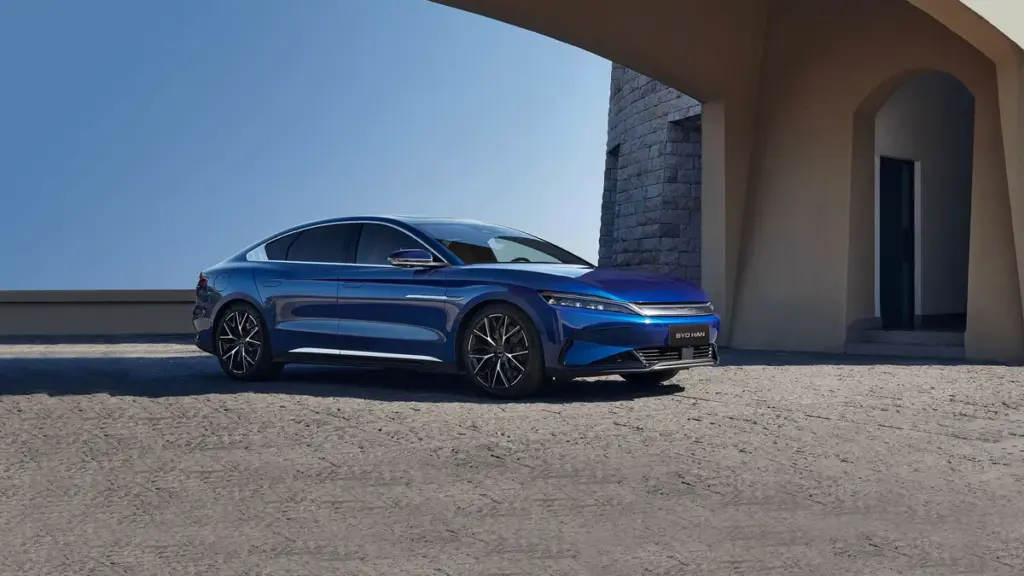
In recent years, the Canadian automotive landscape has been shifting towards electric vehicles (EVs), with increasing interest from international manufacturers. As part of this trend, BYD, a prominent Chinese electric vehicle manufacturer, is making significant strides in establishing a presence in Canada. The company, along with fellow Chinese automakers Chery and Geely, is preparing to launch electric vehicle sales in the country before the end of 2026.
This development follows a pivotal change in Canada’s tariff policy. In 2024, Canada imposed a 100% tariff on electric vehicles imported from China, a move that significantly hindered potential sales. However, earlier this year, the Canadian government reduced these tariffs to 6.1%, allowing for a more favorable environment for Chinese EV manufacturers. This revised tariff framework permits up to 49,000 Chinese-built electric vehicles to enter Canada annually, with plans to increase this cap to 70,000 by 2030.
As part of its strategy, BYD has registered its manufacturing plants located in Shenzhen and Xi’an with Transport Canada, indicating a commitment to compliance with local regulations. The company is also exploring the possibility of establishing local production in Canada; however, Stella Li, a senior executive at BYD, has stated, “I don’t think a JV will work,” suggesting that the company is not interested in pursuing joint ventures with local firms.
BYD’s ambitions extend beyond Canadian borders, as the company aims to sell over 1.3 million vehicles overseas by 2026. This target comes in the wake of a challenging sales environment, as evidenced by a reported 41% decline in BYD’s sales in February 2026 compared to the previous year. The company is actively evaluating potential acquisitions of established automakers to bolster its market position.
Jason Zhao, another key figure at BYD, expressed optimism about the company’s entry into the Canadian market, stating, “We expect the vehicles will start landing by the end of this year.” This statement underscores the urgency and strategic importance of the Canadian market for BYD’s overall growth plans.
As BYD and its competitors prepare for their Canadian launch, the implications of these developments are significant for the automotive industry in Canada. The entry of these Chinese manufacturers could intensify competition in the EV market, potentially leading to lower prices and more choices for consumers. Furthermore, the shift towards electric vehicles aligns with Canada’s broader environmental goals and commitments to reducing carbon emissions.
Despite the positive outlook, uncertainties remain regarding the specifics of BYD’s potential manufacturing facility in Canada. Details remain unconfirmed, leaving stakeholders to watch closely as the situation evolves. The next few years will be crucial for BYD and its competitors as they navigate the complexities of the Canadian market and work to establish themselves as key players in the electric vehicle sector.