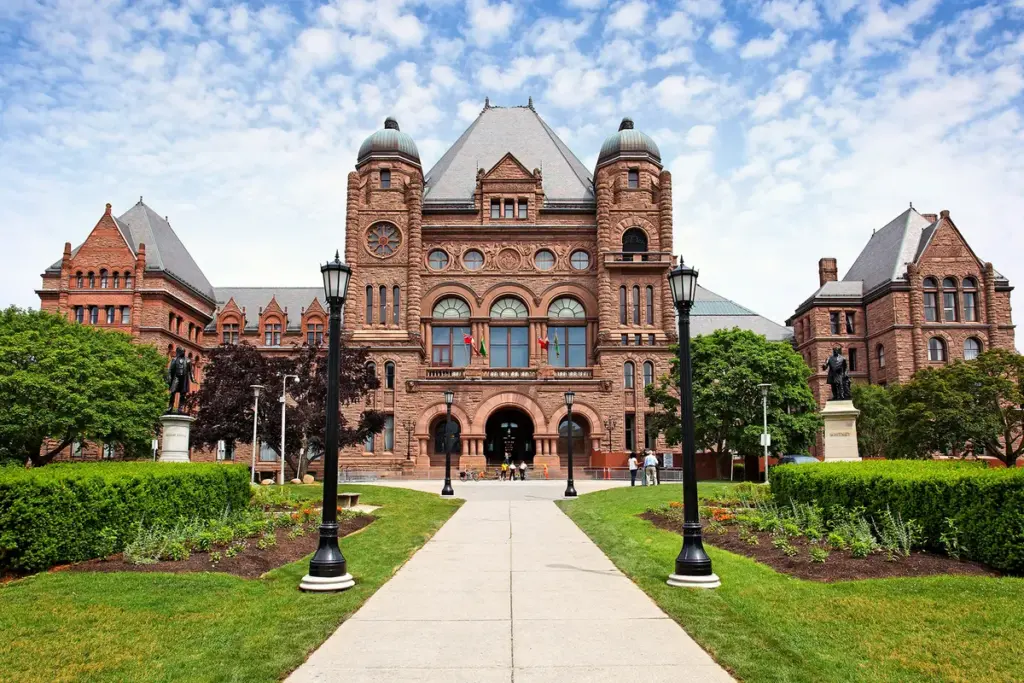
The Ontario Chamber of Commerce (OCC) has released its budget submission for Budget 2026, calling for bold, growth-enabling investment and structural reform in Ontario’s economy. Daniel Tisch, President and CEO of the OCC, stated, “Ontario has strong economic foundations, but they are being tested.” The OCC’s recommendations include prioritizing tax credits and exemptions to attract investment and expanding Ontario’s talent pipeline.
In Quebec, the Finance Minister tabled the province’s eighth budget on March 19, 2026. The budget has drawn mixed reactions, particularly from the Canadian Federation of Independent Business, which criticized it for lacking support for small and medium-sized enterprises (SMEs). François Vincent, a representative from the federation, remarked, “If the government wants to prioritize support for businesses, especially SMEs, it must address its unfair tax regime and its crippling regulatory and administrative system.”
Further criticism came from Véronique Proulx, who noted, “Adding money to various targeted programs will neither alleviate the excessive tax burden on our businesses, nor reduce the bureaucratic complexity of accessing these funds.” The Quebec Employers Council also pointed out the absence of significant new spending in the budget.
Despite the criticisms, some sectors welcomed specific allocations. The Quebec Manufacturers and Exporters praised a $375 million package aimed at supporting businesses and encouraging innovation. Additionally, the Quebec Forest Industry Council highlighted $147 million earmarked for silvicultural work in public forests as a positive step.
The budget also includes a refundable tax credit for Quebec news media, supporting electronic media. However, the Quebec Federation of Chambers of Commerce does not expect much impact on companies’ investment decisions from this budget.
Looking ahead, the budget projects a 4.1 percent increase in health spending and a 5.5 percent increase in funding allocated to university education for 2026-2027. However, funding per student in Quebec is projected to fall from $12,034 to $11,841.
Overall, while both provinces are making moves to address economic challenges, the effectiveness of these budgets in supporting growth and investment remains to be seen. Details remain unconfirmed regarding the long-term impacts of these budgetary decisions on the respective economies.