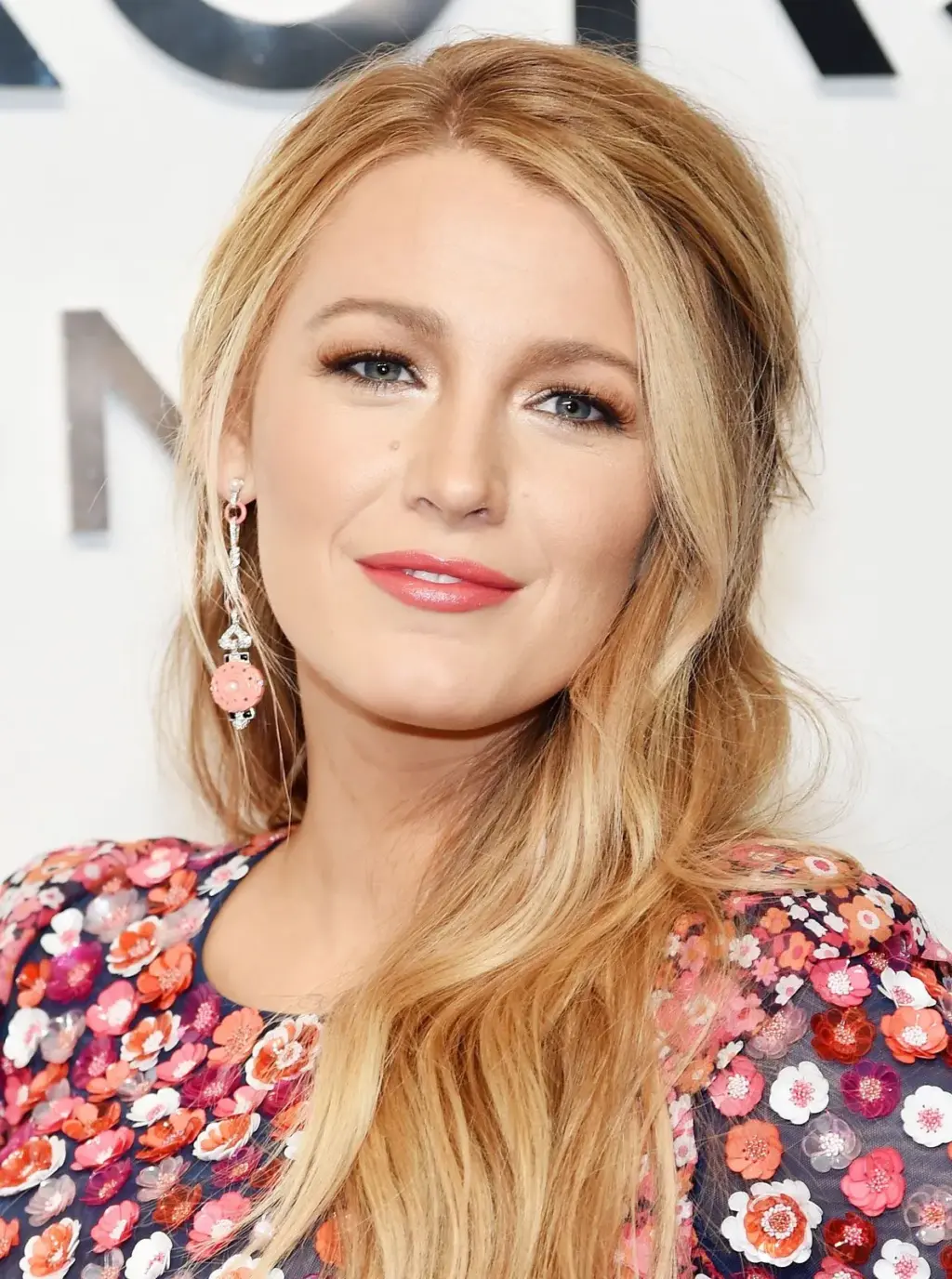
On May 18, 2024, a federal judge in New York dismissed Blake Lively’s sexual harassment claims against actor Justin Baldoni. However, the judge allowed two retaliation claims to remain, which will enable a jury to hear some of Lively’s allegations.
Lively initially filed her lawsuit in December 2024, alleging sexual harassment along with over a dozen other claims related to her experiences while filming the movie It Ends With Us. The trial is set to begin soon, with Lively’s claims including allegations of a hostile work environment.
In a significant ruling, the judge determined that Lively was classified as an independent contractor rather than an employee, which means she was not entitled to bring sexual harassment claims under Title VII of the Civil Rights Act. This decision has narrowed the scope of Lively’s case considerably.
During the proceedings, the judge noted that Baldoni’s conduct was directed towards Lively’s character in the film rather than towards Lively herself. This distinction played a crucial role in the dismissal of the harassment claims.
In a statement, Lively’s lawyer, Sigrid McCawley, expressed that Lively looks forward to testifying about the efforts made to destroy her reputation, emphasizing her commitment to safety on set.
Baldoni’s legal team expressed satisfaction with the dismissal of the sexual harassment claims, stating, “What’s left is a significantly narrowed case, and we look forward to presenting our defence.” This reflects a shift in the dynamics of the legal battle as both sides prepare for the upcoming trial.
Additionally, Baldoni and Wayfarer Studios have countersued Lively and her husband for defamation and extortion, further complicating the legal landscape surrounding this case.
The movie It Ends With Us, which was released in August 2024, has grossed over $351 million worldwide, highlighting the high-profile nature of the project at the center of these allegations.
As the trial date approaches, reactions from both parties indicate a contentious legal battle ahead, with both sides preparing to present their cases in court.
Judge Lewis J. Liman remarked on the creative freedoms of artists, stating, “Creative artists, no less than comedy room writers, must have some amount of space to experiment within the bounds of an agreed script without fear of being held liable for sexual harassment.” This comment underscores the complexities involved in cases where artistic expression intersects with legal claims.
Details remain unconfirmed.