What the data shows
The rise of Bitcoin ATMs has raised significant concerns regarding fraud, prompting legislative responses in various states. How are these regulations shaping the landscape of cryptocurrency transactions? In Indiana, the state has taken proactive measures to address the alarming increase in fraud cases associated with Bitcoin ATMs.
In 2024 alone, Arizonans lost a staggering $177 million due to cryptocurrency fraud, highlighting the urgent need for regulatory oversight. In response, Arizona’s House Bill 2387 has introduced daily transaction limits for Bitcoin ATMs, capping new customers at $2,000 and existing customers at $10,500. This legislation aims to mitigate the risks associated with large transactions that can lead to significant financial losses.
Indiana is also grappling with a surge in fraud reports, which have doubled each year for the past four years, resulting in over $400,000 in losses. The average individual loss in Indiana is approximately $11,000, with scammers often targeting vulnerable populations, particularly the elderly. State Rep. Wendy McNamara emphasized the lack of oversight in the industry, stating, “There is no oversight.” This sentiment reflects growing concerns about the safety of cryptocurrency transactions.
To combat these challenges, Indiana’s emergency law, approved by Governor Mike Braun, aims to establish a framework for Bitcoin ATM operations. The law requires operators to issue full refunds to fraud victims within 30 days of the transaction, a measure designed to protect consumers from the financial repercussions of scams. Additionally, Bitcoin ATMs can charge up to 20% commission on deposits, further complicating the financial landscape for users.
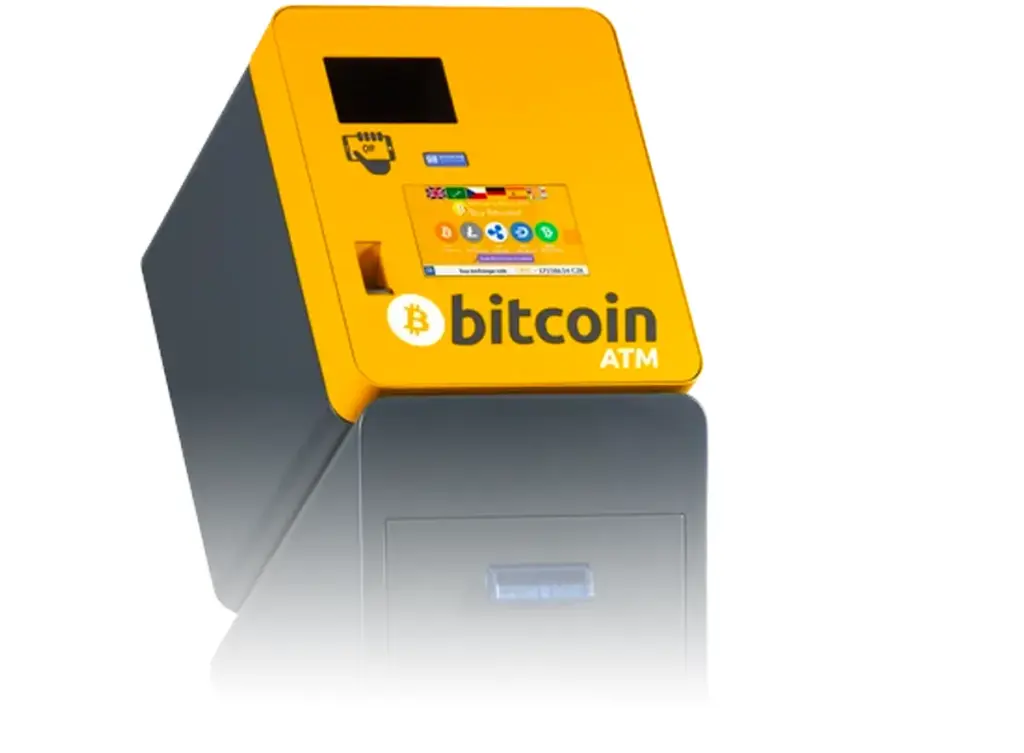
Bitcoin Depot, a prominent player in the Bitcoin ATM space, operates 77 machines in Evansville, Indiana, and boasts over 24,000 locations worldwide. The company has become a focal point in discussions about the safety and regulation of cryptocurrency transactions. As the number of Bitcoin ATMs continues to grow, the potential for fraud remains a pressing concern.
Scammers frequently employ tactics that exploit the fears of elderly individuals, often using fraudulent calls to manipulate victims into depositing large sums of money into Bitcoin ATMs. State Rep. Wendy McNamara noted, “Typically, your elderly would get a call saying they missed jury duty or have a grandson in jail, and you need to go to this cryptocurrency kiosk and put in $10,000 to $20,000.” This highlights the need for increased awareness and education regarding the risks associated with cryptocurrency transactions.
As states like Indiana and Arizona implement stricter regulations, the future of Bitcoin ATMs remains uncertain. While these measures aim to protect consumers and reduce fraud, the effectiveness of such regulations will depend on enforcement and public awareness. The ongoing challenges posed by cryptocurrency scams underscore the importance of vigilance in this rapidly evolving landscape.