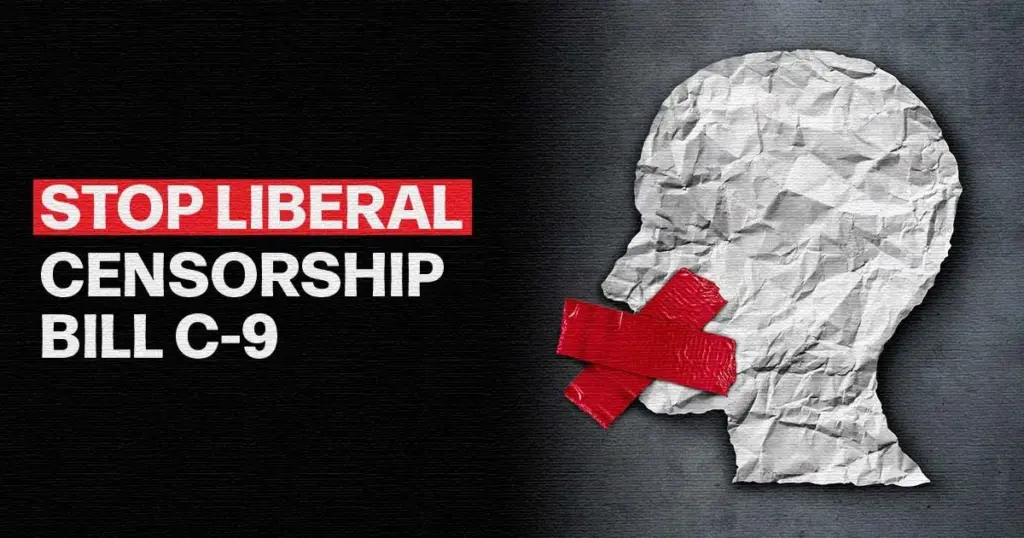
What implications does Bill C-9, the Combatting Hate Act, hold for religious freedoms in Canada? The bill has advanced to the Senate after passing the House of Commons with a vote of 186-137, raising significant concerns among various religious communities.
Bill C-9 criminalizes intimidation and obstruction outside establishments used by faith-based groups and bans the intentional flaunting of certain terrorism or hate symbols in public. A notable amendment included in the bill is the repeal of the good faith religious speech defense from Canada’s hate speech laws.
Support for the bill came primarily from the ruling party, while dissent was voiced by the Conservatives, NDP, and Green Party MP Elizabeth May. The Bloc Québécois made the removal of the religious exemption a non-negotiable condition for their support.
Over 350 Muslim organizations and leaders from various religious communities have opposed the removal of the religious-text defense, expressing concerns about the potential impact on religious expression. Bishop Pierre Goudreault remarked, “The elimination of the religious-text defence raises significant concerns as it has served for many years as an essential safeguard.”
Justice Minister Sean Fraser defended the legislation, stating, “The new legislation won’t criminalize faith.” However, critics like David Cooke warned that the passage of Bill C-9 could lead to increased hostility towards Christians and pro-life advocates.
The Senate is expected to begin studying Bill C-9 on April 14, following the Easter recess. The proposition to halt the third reading and send the bill back to the Standing Committee was defeated with a vote of 188-125.
The bill includes a clause stating that nothing in subsection 319(2) or (2.2) shall be construed as prohibiting a person from communicating a statement on a matter of public interest. This aspect aims to clarify the boundaries of the legislation.
As the Senate prepares to review the bill, it may suggest changes before it becomes law. Details remain unconfirmed regarding the potential amendments that could arise during this process.