The wider picture
Bill C-12 marks one of the most significant structural changes to Canada’s immigration system in recent years. The legislation, which became law on March 26, 2026, introduces tighter asylum eligibility rules and a modernized asylum process, reflecting a shift towards a more controlled immigration system in Canada. This change has raised concerns among various organizations and human rights advocates regarding its implications for refugee protection.
Under Bill C-12, the ability to seek refugee protection in Canada has been limited. Asylum seekers who make applications more than one year after entering Canada will not receive a full hearing at the Immigration and Refugee Board. Instead, affected applicants can apply for a pre-removal risk assessment, which has been criticized for undermining critical procedural safeguards for refugees.
The law also enables the mass cancellation of immigration documents and applications, granting the government the power to cancel these documents if deemed in the public interest. This aspect of the legislation has drawn significant criticism from rights groups, who argue that it could put thousands of individuals at risk of persecution, violence, and precarity.
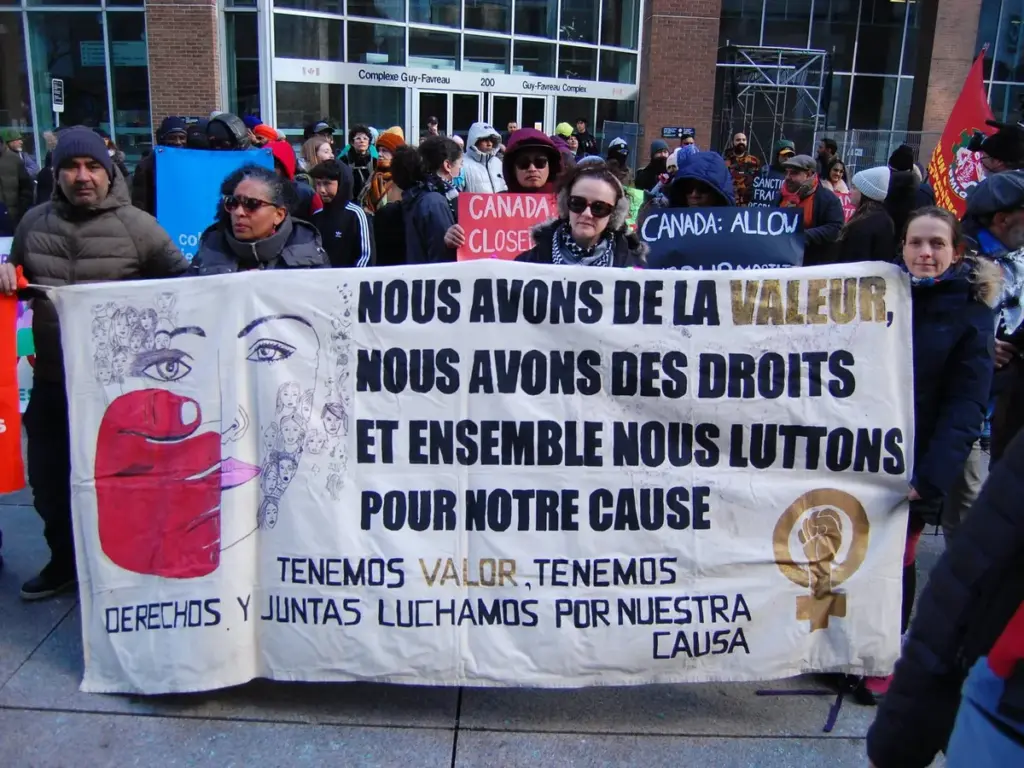
Organizations such as Amnesty International Canada and the Canadian Civil Liberties Association have expressed their discontent with the new legislation. They argue that Bill C-12 replicates US-like anti-migrant sentiment and policies in Canada, which could have detrimental effects on vulnerable populations seeking refuge. Rights groups have urged the government to reconsider the implications of this law, with over 300 organizations previously calling for the withdrawal of its predecessor, Bill C-2.
In response to the criticisms, Canadian government officials, including Immigration Minister Lena Diab, have defended the legislation. Diab stated, “With the passage of Bill C-12, we’re strengthening the practical tools that keep our immigration and asylum systems fair, efficient and working as intended.” This assertion reflects the government’s position that the changes are necessary to reduce pressure on the immigration system.
The United Nations Human Rights Committee has also weighed in, warning that Bill C-12 may weaken refugee protection in Canada. This warning underscores the international concern regarding the potential impact of the legislation on human rights and the treatment of asylum seekers.
As the changes come into effect, observers are closely monitoring the situation. The law allows for expanded information sharing between federal, provincial, and territorial governments, which could influence how immigration cases are handled across the country. The new rules stipulate that individuals entering Canada irregularly from the United States will have only 14 days to file asylum claims, further tightening the timeline for those seeking refuge.
As the implications of Bill C-12 unfold, many individuals are left anxious about their future. Flavia Leiva, a representative from a local advocacy group, expressed the concerns of many, stating, “[Bill C-12] is scary, it’s really scary. People are coming to see us, stressed, asking: ‘Do you think I’ll be able to stay?'” This sentiment reflects the uncertainty that many asylum seekers now face in light of the new legislation.