How it unfolded
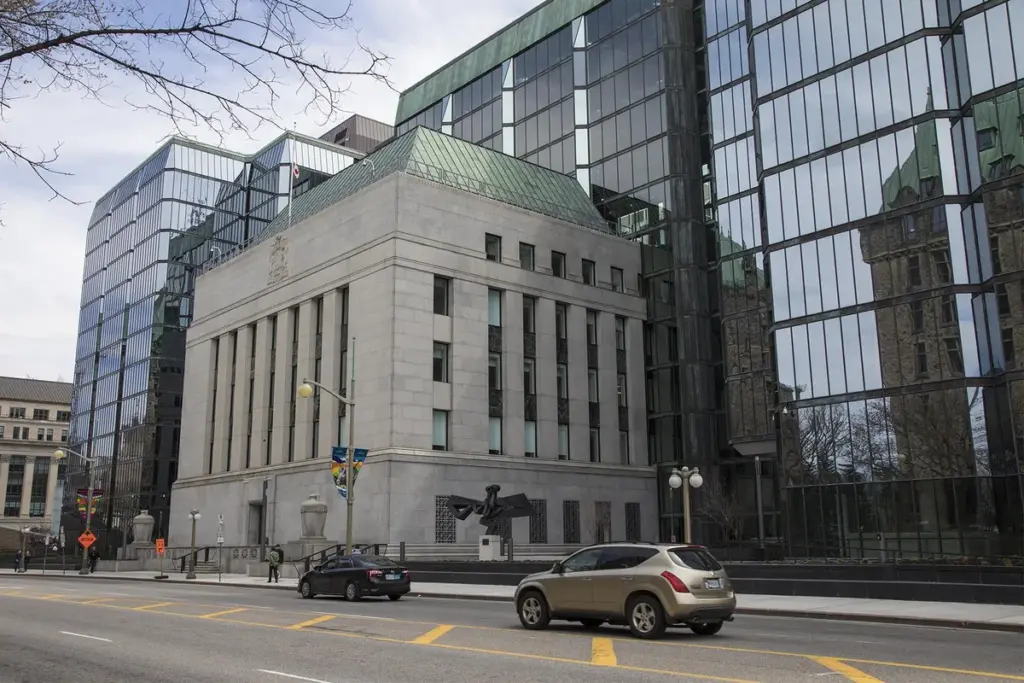
On March 18, 2026, the Bank of Canada announced that it would hold its interest rate steady at 2.25%. This decision comes as the central bank faces increased volatility in global energy prices, largely driven by ongoing conflicts in the Middle East. The announcement marks the second rate hold of the year, following a similar decision made in January.
In the lead-up to the announcement, the average price of gasoline in Canada surged by more than 30 cents per litre, while benchmark oil prices saw a significant rise of over 40 percent in recent weeks. These developments have raised concerns about inflation and its potential impact on the Canadian economy.
The Bank of Canada, led by Governor Tiff Macklem and Deputy Governor Carolyn Rogers, is closely monitoring these fluctuations. During a press conference scheduled for 10:30 AM (ET) on the same day, Macklem emphasized the need for the bank to remain vigilant in the face of rising energy prices, stating, “If energy prices stay high, we will not let their effects broaden and become persistent inflation.”
Maria Solovieva, another key figure at the Bank of Canada, noted that inflation is currently within the bank’s target range of 1-3%. She remarked, “When inflation is close to the central bank’s target, there is no strong reason to change course.” This sentiment reflects the bank’s cautious approach as it navigates through uncertain economic waters.
The decision to hold the interest rate steady is also influenced by the broader economic landscape, including the impact of U.S. tariffs and ongoing trade policy uncertainty. The Bank of Canada has indicated that it will assess these factors as part of its monetary policy strategy moving forward.
In addition to the immediate concerns regarding energy prices, the Canadian economy is grappling with demographic challenges. Notably, Canada’s population declined by more than 100,000 people in 2025, marking the first annual decline since the 1940s. This demographic shift could have long-term implications for economic growth and labor markets.
The Bank of Canada remains committed to ensuring confidence in price stability during this period of global upheaval. As the situation evolves, the central bank has expressed its preparedness to adjust monetary policy if necessary, highlighting its role in maintaining economic stability.
As of now, the Bank of Canada continues to monitor the situation closely, balancing the need for economic growth with the imperative of controlling inflation. The outcomes of these decisions will be critical for Canadians as they navigate the challenges posed by rising energy costs and a shifting economic landscape.