“Vaccines are foundational to child survival. UNICEF is deeply concerned about the sharp rise in measles cases across Bangladesh, putting thousands of children, especially the youngest and most vulnerable, at serious risk,” stated Rana Flowers, UNICEF Representative in Bangladesh. This urgent call to action comes as Bangladesh grapples with a significant measles outbreak that has resulted in at least 98 child fatalities since mid-March 2026.
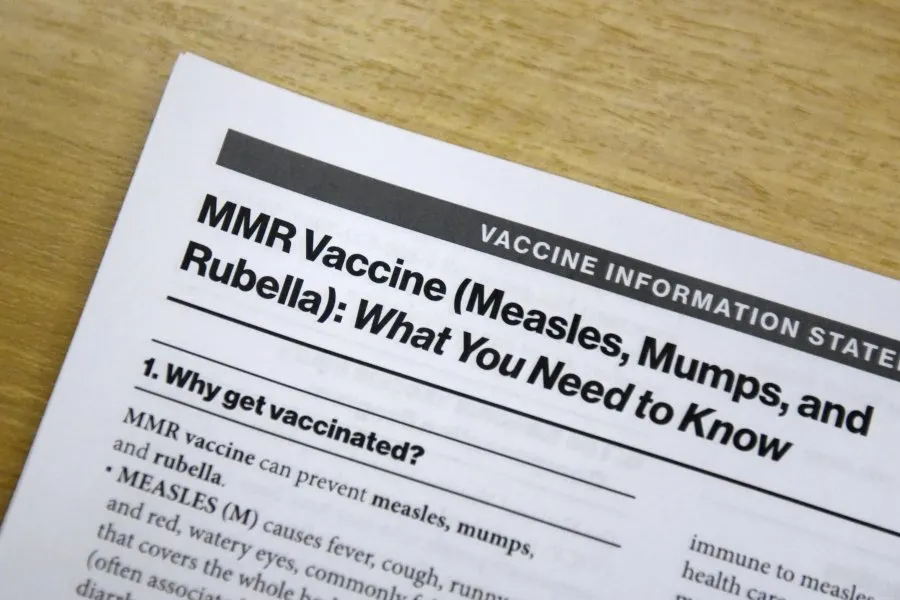
The emergency vaccination campaign commenced on April 6, 2026, aiming to immunize over a million children against measles. The initiative is particularly critical as the country has reported more than 7,500 suspected cases of the disease, with an official count of 17 confirmed deaths attributed to measles. In response to the outbreak, the vaccination age has been lowered from 9 months to 6 months, allowing younger children to receive protection sooner.
The campaign will initially target 18 high-risk districts, with plans to expand nationwide by May 3, 2026. This proactive approach is essential given the resurgence of measles, which UNICEF highlights as indicative of critical immunity gaps, especially among zero-dose and under-vaccinated children. The last vaccination campaign in Bangladesh took place in 2020, and a planned follow-up in 2024 was thwarted by political unrest.
In addition to addressing public health concerns, the vaccination campaign is occurring against a backdrop of evolving diplomatic relations between Bangladesh and India. Humayun Kobir, Bangladesh’s Foreign Affairs Adviser, emphasized the importance of fostering people-to-people ties in the new bilateral relationship, stating, “Our bilateral relation should be focused on people-to-people ties so that it will not be focused on individuals. This is what we want and this is also what India desires.”
India has played a supportive role in this context, having sent 5,000 metric tonnes of high-speed diesel to Bangladesh on March 10, 2026. This gesture is part of a broader strategy to strengthen ties between the two nations following a period of political tension, particularly after Sheikh Hasina was ousted from power during a student-people uprising in August 2024.
The upcoming visit of Bangladesh’s Foreign Minister Khalilur Rahman to India on April 7, 2026, is anticipated to further solidify these diplomatic efforts. Kobir remarked, “We have to create a new space for a new relation because Hasina-India relation will no longer be possible.” This statement underscores the shifting dynamics in the region and the necessity for a fresh approach to bilateral relations.
As Bangladesh embarks on this critical vaccination campaign, the focus remains on safeguarding the health of its youngest citizens while navigating the complexities of international diplomacy. The situation continues to evolve, with health officials and government leaders working to mitigate the impact of the measles outbreak and strengthen ties with neighboring India.