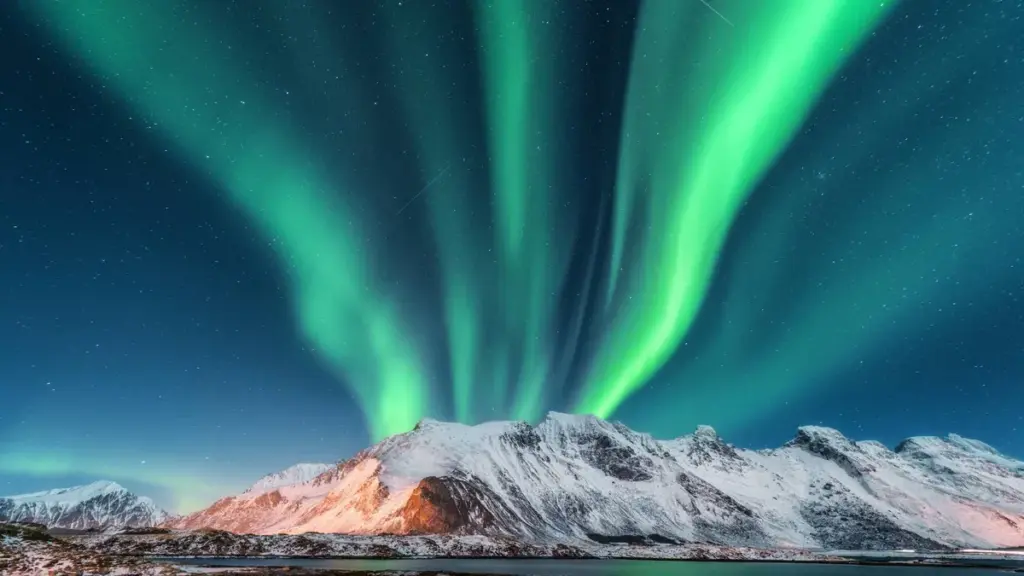
Previously, the northern lights, known as the aurora borealis, were primarily associated with regions far north of the continental United States, with expectations of visibility limited to states like Alaska and parts of the northern Midwest. However, a significant shift has occurred with the forecast of a G2 solar storm, which is classified as moderate strength. This development has opened the possibility for the auroras to be seen in about 20 states across the U.S.
The decisive moment came when the National Oceanic and Atmospheric Administration (NOAA) and the Space Weather Prediction Center reported that the auroras would be visible starting late on March 18 and into the early morning hours of March 19. The best viewing times are expected to be between 10 p.m. and 2 a.m. local time, with particularly strong displays anticipated due to the upcoming March 20 spring equinox.
States such as Alaska, Washington, Idaho, Montana, North Dakota, South Dakota, Minnesota, Wisconsin, Michigan, and Maine are noted to have the highest likelihood of experiencing stronger aurora displays. Meanwhile, the phenomenon may extend visibility as far south as Illinois and Oregon, a rare occurrence that has excited both enthusiasts and casual observers alike.
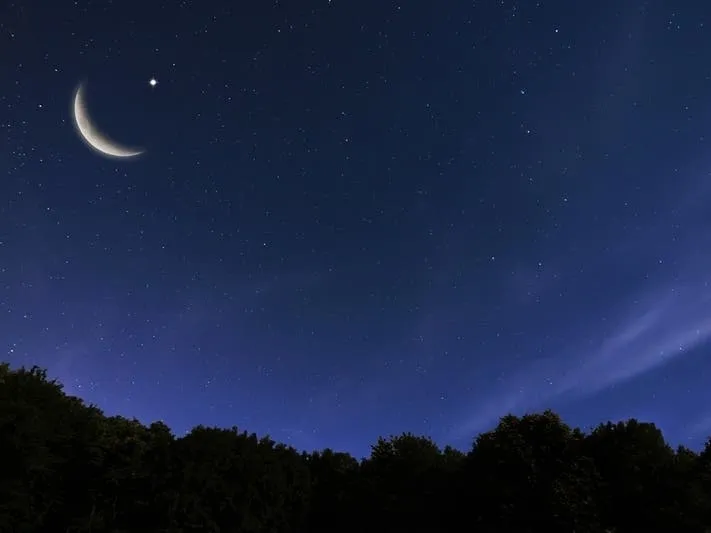
Experts emphasize that the auroras are a result of solar particles colliding with the Earth’s atmosphere, creating stunning displays of light. The conditions for viewing are best found in dark areas away from light pollution, although some regions may face challenges. For instance, cloudy skies could hinder visibility in places like Burlington, Vermont, where up to an inch of snow is forecasted.
Details remain unconfirmed regarding the exact visibility of the northern lights in states such as Indiana, Ohio, and Pennsylvania, where clear weather will play a crucial role in whether residents can witness this celestial event. As anticipation builds, the upcoming days promise a unique opportunity for many to experience the beauty of the aurora borealis, a spectacle that is often reserved for more northern locales.