Reaction from the field
The anticipated launch of the Apple iPhone Fold in September 2026 marks a significant moment in the smartphone industry. With this new device, Apple aims to redefine user experience by introducing a foldable design that promises to be more advanced than existing models. The stakes are high as Apple seeks to capture a share of the growing foldable market, which has seen increasing competition from brands like Samsung and Huawei.
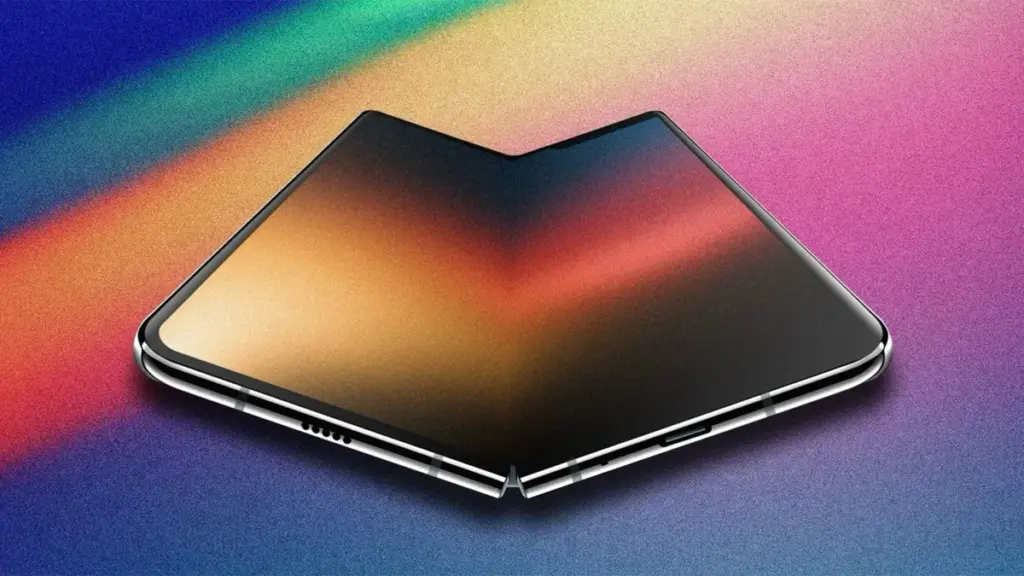
The iPhone Fold is expected to feature a flatter and less visible crease compared to current foldable smartphones, which has been a common criticism of existing models. According to Fixed Focus Digital, “The first foldable iPhone screen may have a flatness exceeding that of many currently available domestically produced foldable screen models.” This innovation could potentially set a new standard for foldable devices.
In terms of specifications, the foldable iPhone will come equipped with 12GB of RAM and offer storage options of 256GB, 512GB, or 1TB. The starting price for the 256GB model is predicted to be $1,999 in the US. This pricing strategy reflects Apple’s premium positioning in the market, catering to consumers who prioritize high-end features and performance.
One notable design choice is the omission of Face ID, which has been a hallmark of Apple’s recent smartphone models. Instead, the foldable iPhone will utilize a Touch ID fingerprint sensor integrated into the side button. Mark Gurman noted that “the foldable phone’s front panel is too thin to accommodate the Face ID sensor array,” indicating a shift in how Apple approaches security features in this new form factor.
The device’s inner display is expected to measure 7.8 inches with a 4:3 aspect ratio, while the outer display will be around 5.3 to 5.5 inches when closed. The design will incorporate a book-style horizontal hinge, which is anticipated to enhance the user experience by allowing for a more seamless transition between open and closed states. Additionally, the foldable iPhone will feature two 18MP front-facing cameras and a rear dual-camera setup with two 48MP sensors, catering to photography enthusiasts.
Battery life is also a critical consideration, with reports suggesting that the device will be equipped with a battery capacity targeting around 5,000mAh. This capacity aims to provide sufficient power for the device’s advanced features, ensuring that users can rely on their foldable iPhone throughout the day.
Moreover, the foldable iPhone will be eSIM-only, eliminating the traditional SIM card slot. This move aligns with Apple’s ongoing efforts to streamline device design and enhance user convenience. However, it may also raise concerns among users who prefer the flexibility of physical SIM cards.
As Apple continues to refine its hinge designs and glass stacks to reduce visible creases, uncertainties remain regarding the final design and features of the foldable iPhone. Details remain unconfirmed, and the exact launch date is not yet set, but the excitement surrounding this innovative device is palpable as the tech community eagerly awaits further announcements from Apple.