Introduction
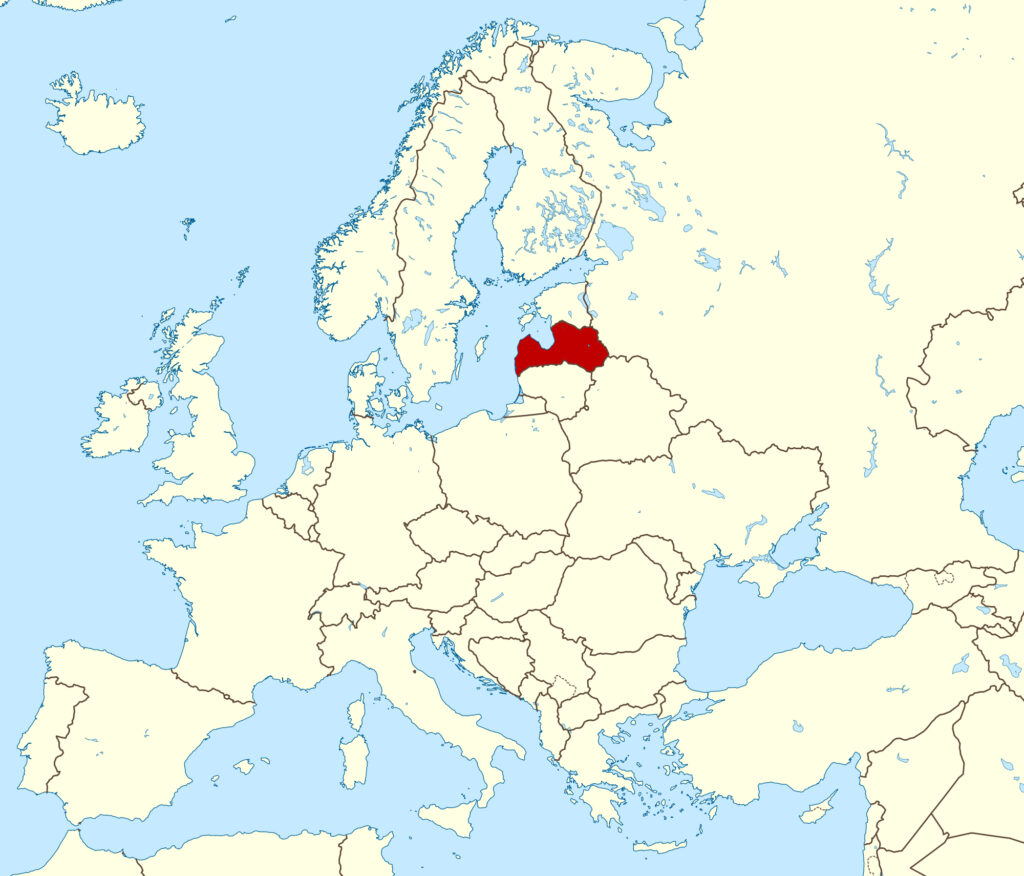
Latvia, located in the heart of the Baltic region, has increasingly become a focal point for cultural and economic discussions within Europe. With its strategic location, vibrant history, and a growing economy, Latvia’s significance extends beyond its borders. This article delves into the cultural richness and economic developments of Latvia, highlighting its relevance in today’s European landscape.
Cultural Heritage
Latvia is a treasure trove of cultural heritage, reflected in its traditions, arts, and festivals. With influences from both Eastern and Western Europe, the country boasts a unique blend of music, literature, and visual arts. The annual Riga City Festival, which celebrates the capital’s rich history, draws both locals and international visitors alike. Moreover, Latvia has been recognized for its stunning Art Nouveau architecture and medieval towns that are UNESCO World Heritage Sites.
Economic Landscape
In recent years, Latvia’s economy has seen significant growth, rebounding from the 2008 financial crisis. According to the Latvian Central Statistical Bureau, the GDP growth rate for 2023 is projected to be around 3.5%, driven by robust sectors such as tourism, technology, and manufacturing. Additionally, foreign investments have surged, with tech startups emerging as key players, notably in areas such as fintech and e-commerce.
Political Significance
Latvia’s membership in the European Union and NATO has fortified its political significance in the region. As geopolitical tensions evolve, particularly concerning Russia’s influence in Eastern Europe, Latvia plays a critical role in European security discussions. Its commitment to democratic values and regional cooperation underscores its importance on the continental stage.
Conclusion
Latvia stands as a vibrant nation with a rich cultural backdrop and a dynamic economy. Its position at the crossroads of Europe presents both challenges and opportunities, particularly in the realms of politics and economic development. As Latvia continues to navigate its path amidst global developments, its relevance is likely to grow, making it a crucial player in shaping future European policies and cultural exchanges.