Reaction from the field
The escape of Polish Jews during the Holocaust had profound consequences, with around 250,000 individuals managing to survive through various means, including the harrowing journey undertaken by Hannan Teitel’s family. Mikhal Dekel, in her book titled ‘Tehran Children’, sheds light on this significant yet often overlooked chapter of history, emphasizing the unique yet universal experiences of her father and countless others.
Hannan Teitel’s family fled their home in Ostrów Mazowiecka, Poland, in 1939, driven by the imminent threat of the Holocaust. Their journey took a perilous turn when they were arrested by the NKVD and sent to Arkhangelsk, where they endured 14 months of labor under harsh conditions. This period was marked by severe hardships, including a lack of food and shelter, as they navigated the complexities of survival amidst the chaos of war.
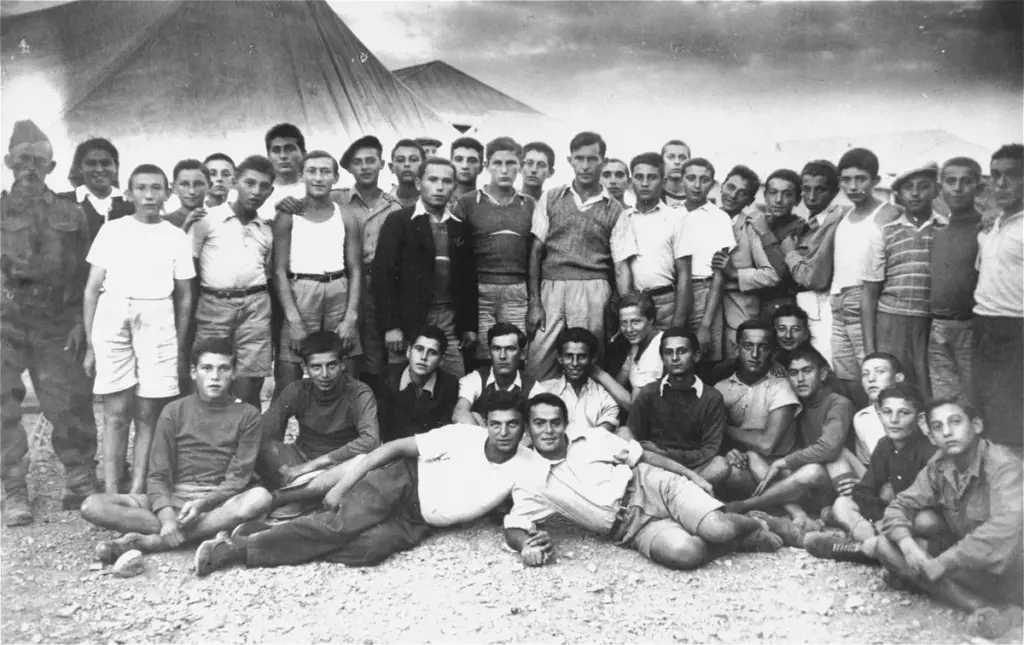
As the war progressed, the formation of the Anders Army became a beacon of hope for many Polish Jews. This military unit was established with the intent of fighting alongside the Allies against Nazi Germany. In a humanitarian gesture, approximately a thousand Polish Jewish children were evacuated to Iran as part of this effort, highlighting the collaboration between various organizations, including the Joint Distribution Committee and the Jewish Agency for Palestine.
Tehran, a neutral country in 1939 with previously strong ties to Germany, transformed into a hub for Allied activities following the invasion. The evacuated Polish Jewish children were gathered at the ‘Hebrew Children’s Home of Tehran’, where they found temporary refuge. This relocation was crucial for their survival, as it provided a safe haven away from the horrors they had fled.
Mikhal Dekel undertook a decade-long journey to retrace her father’s steps, which included a significant train ride that lasted 29 hours. Her research not only highlights the personal narrative of her family but also serves as a testament to the broader experience of Polish Jews during this tumultuous period. “This book is about my father and me, but it is also about a quarter of a million Polish Jews who survived in a similar way; my father’s story is therefore both unique and universal,” Dekel stated, encapsulating the essence of her work.
Throughout their journey, tensions existed between Polish Jews and Christian Poles, particularly during their time in Central Asia and Iran. These dynamics added another layer of complexity to their already perilous situation. The historical context of their escape reveals the intricate relationships and challenges faced by those seeking refuge during the Holocaust.
As the narrative unfolds, it becomes clear that the experiences of Hannan Teitel’s family were not isolated incidents but part of a larger story of survival and resilience among Polish Jews. The struggles they faced, including the decision to flee under the cover of night toward Samarkand, illustrate the desperation and courage that characterized this period.
While much has been documented about the Holocaust, the specific journeys of individuals like Hannan Teitel and the broader community of Polish Jews continue to be explored. As Mikhal Dekel’s work gains recognition, it invites further examination of the complexities surrounding these historical events. Details remain unconfirmed as new research and testimonies emerge, shedding light on the multifaceted experiences of those who lived through this dark chapter in history.