What the data shows
Nintendo’s upcoming pricing strategy for the Switch 2 raises a significant question: how will the digital pricing for games compare to their physical counterparts? Starting in May 2026, Nintendo will charge different prices for physical and digital versions of games, a shift from their historical practice of maintaining the same price for both formats.
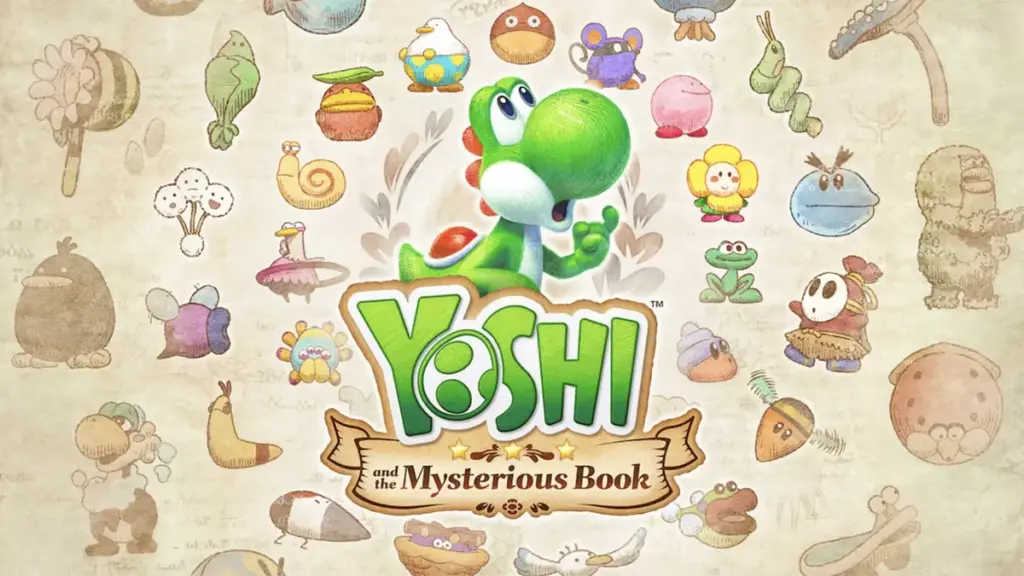
For example, the game Yoshi and the Mysterious Book will be priced at $84.99 CAD for digital copies and $99.99 CAD for physical copies in Canada. In the United States, the digital version will retail for $59.99, while the physical version will be priced at $69.99. In the United Kingdom, the digital price will be £49.99, compared to £58.99 for the physical edition. This pricing strategy reflects the different costs associated with producing and distributing each format, according to Nintendo.
Nintendo has stated that the cost of physical games will not increase, which may provide some reassurance to consumers who prefer traditional game formats. This change applies exclusively to Nintendo-published games, allowing the company to set a new standard for how digital and physical games are priced. Historically, Nintendo has rarely offered discounts on major first-party titles, making this pricing adjustment noteworthy.
The company anticipates selling approximately 19 million units of the Switch 2 globally by the end of the fiscal year on March 31, 2026. This ambitious sales target underscores Nintendo’s confidence in the new console and its games, despite the pricing changes. Nintendo has also indicated that retail partners will have the flexibility to set their own prices for both physical and digital games, which could lead to variations in pricing across different retailers.
Nintendo’s decision to differentiate pricing for digital and physical games marks a significant shift in their approach, as they have historically charged the same for both formats. The company emphasized that this change is intended to offer players more choice in how they can purchase and enjoy Nintendo games. “Nintendo games offer the same experiences whether in packaged or digital format, and this change simply reflects the different costs associated with producing and distributing each format,” a Nintendo spokesperson stated.
As the launch of the Switch 2 approaches, consumers are left to consider how these pricing changes will affect their purchasing decisions. While some may welcome the opportunity to buy digital games at a lower price, others may prefer the tangible nature of physical copies. Details remain unconfirmed on how this pricing strategy will impact sales and consumer behavior in the long term.
Overall, the introduction of differentiated pricing for digital and physical games on the Nintendo Switch 2 represents a significant evolution in Nintendo’s business model. As the gaming landscape continues to evolve, it will be interesting to see how this strategy plays out in the competitive market.