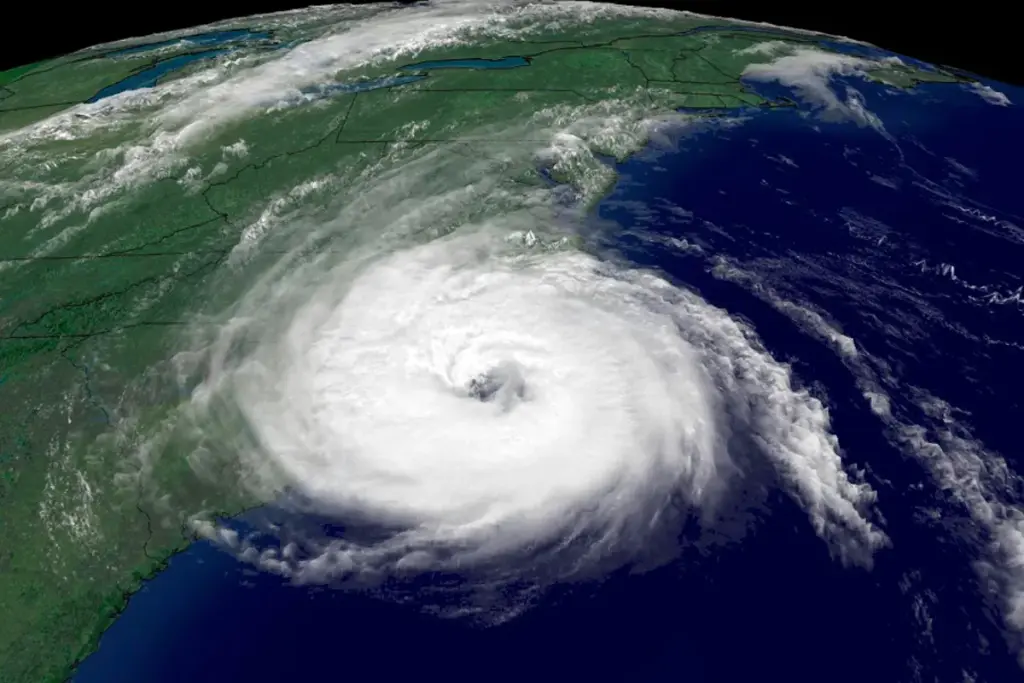
AccuWeather predicts that the 2026 Atlantic hurricane season will see between 11 to 16 named storms, with expectations of 4 to 7 hurricanes and 2 to 4 major hurricanes classified as Category 3 or greater. The forecast also anticipates 3 to 5 direct impacts on the U.S. coastline.
The 30-year historical average for named storms in the Atlantic is 14, making this year’s forecast slightly below average. However, there is a 40 percent possibility of exceeding 14 named storms and a 15 percent chance of surpassing 16 named storms, indicating a potentially active season.
In 2025, the hurricane season produced 13 named storms, but notably, there were no hurricane landfalls on the U.S. mainland for the first time in a decade. This absence of landfall raises concerns about the unpredictability of future storms.
Warm ocean water is a key factor this season, as it can lead to rapid intensification of storms. Alex DaSilva from AccuWeather stated, “The expanse of orange and yellows on sea surface temperature maps is a very concerning trend as we get ready to head into hurricane season.” This observation highlights the potential for storms to strengthen quickly.
El Niño conditions are also a significant factor, as they may suppress storm activity. However, as noted by DaSilva, “Even if it’s expected to be a slightly below average hurricane season, we can still see major hits across the United States.” This underscores the importance of preparedness regardless of the forecast.
Craig Fugate, a former FEMA administrator, emphasized the distinction between seasonal forecasts and actual disaster impacts, stating, “Seasonal forecasts are about how busy the ocean might be. Disasters are about where one storm goes.” This perspective is crucial for understanding the implications of storm predictions.
The 1992 hurricane season serves as a historical reminder, having produced only 7 named storms but including the devastating Hurricane Andrew, which caused significant destruction. Such events illustrate that even fewer storms can still lead to catastrophic impacts.
As the 2026 season approaches, the exact impact of El Niño remains unclear, leaving some uncertainties in storm predictions. Details remain unconfirmed.
With 18.3 percent of U.S. homes at risk of hurricane wind damage, the stakes are high for residents in vulnerable areas. As the season begins on June 1, preparedness remains essential for communities from South Texas to Maine.