Financial markets have had vicious swings, both up and down, since the war began because of uncertainty about how long it may last. Recently, the S&P/TSX composite index was up 435.21 points, reaching a value of 31,752.62. However, the index opened nearly 700 points higher before retreating to around 31,000, which is nearly 10% down from its highest point this year.
Market analysts have noted that a swift and radical shift in sentiment occurred during Monday morning trading. Colin Cieszynski remarked on the sudden change, highlighting the volatility in the market. This sentiment is echoed by Derek Holt, who stated, “To say that U.S. foreign and domestic policy are in a state of utter chaos would be an understatement as uncertainty is being driven through the roof to the detriment of the economy and markets.”
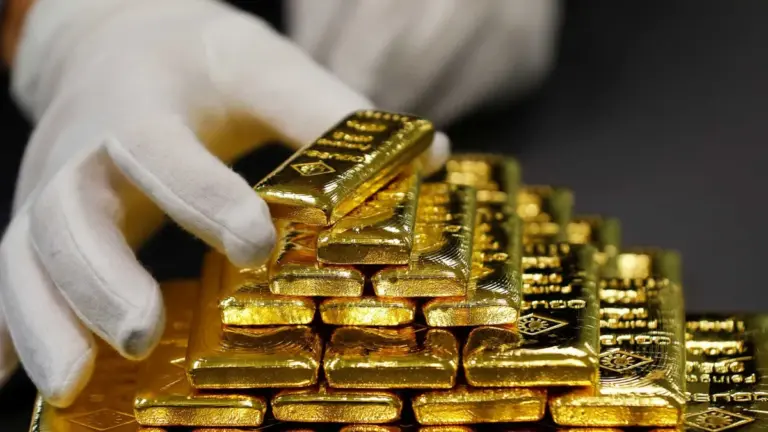
In addition to the fluctuations in the TSX index, commodity prices have also seen significant changes. The price of gold has dropped to $4,490, marking its lowest level since February 2nd, while silver has slumped to $67 from an all-time high of $121. Furthermore, the May crude oil contract was down by US$9.67, settling at US$88.56 per barrel.
The Canadian dollar has shown slight improvement, trading at 72.96 cents US compared to 72.90 cents US on Friday. However, the TSX Index has dropped below the 50-day and 100-day Exponential Moving Averages (EMA), indicating a bearish trend.
On a positive note, Quebecor has been added to the FTSE All-World Index, reporting CA$5,675.3 million in annual revenue and CA$856.0 million in net income. Quebecor’s latest close sits at CA$59.04, reflecting its resilience amid the broader market challenges.
As the ongoing TSX Index crash coincides with that of other global indices, market observers are closely monitoring the situation. This news turned U.S. index futures from negative to positive, suggesting a potential shift in market sentiment. However, uncertainties remain as the economic landscape continues to evolve.