What the data shows
What caused the significant disruptions at Montreal-Trudeau Airport on March 22, 2026? The answer lies in a combination of operational challenges that led to a staggering total of 212 delays and 10 cancellations affecting various airlines and routes, including Air Transat.
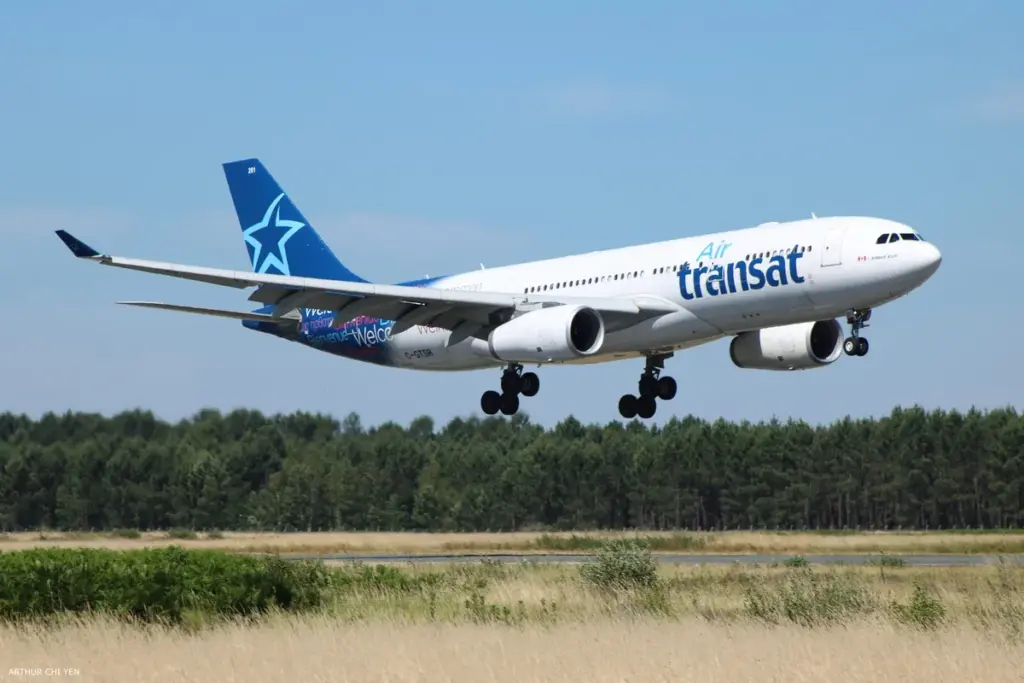
On that day, Air Transat reported 10 delayed flights, which particularly impacted international and leisure travel segments. This disruption was part of a broader pattern, as Air Canada recorded the highest number of delays with 73 delayed flights and 2 cancellations, further complicating the travel experience for passengers.
Jazz, another airline operating at the airport, faced 57 delays and 6 cancellations, marking it as the airline with the highest number of cancellations on that day. Meanwhile, Porter Airlines experienced 17 delays and 1 cancellation, while WestJet reported 12 delays and 1 cancellation. Air Canada Rouge also contributed to the congestion with 12 delays, although it did not have any cancellations.
These disruptions were not limited to Air Transat or Montreal-Trudeau Airport. Similar issues were observed at other major airports, including Toronto Pearson, Toronto City Centre, Halifax International, and LaGuardia, indicating a widespread operational challenge across the region.
Montreal-Trudeau Airport remained the central hub of disruption affecting both arrivals and departures, leading to frustration among travelers and creating a ripple effect on connecting flights. The cumulative impact of these delays and cancellations raised concerns about the reliability of air travel during this period.
As the situation unfolded, airlines and airport authorities worked to manage the disruptions, but the full extent of the impact on travel schedules and passenger experiences is still being assessed. Details remain unconfirmed regarding the specific reasons behind the operational challenges faced by the airlines.
Looking ahead, it remains to be seen how airlines like Air Transat will address these disruptions and what measures will be implemented to prevent similar occurrences in the future. The ongoing situation highlights the need for robust contingency planning in the airline industry to better handle unexpected operational challenges.