Reaction from the field
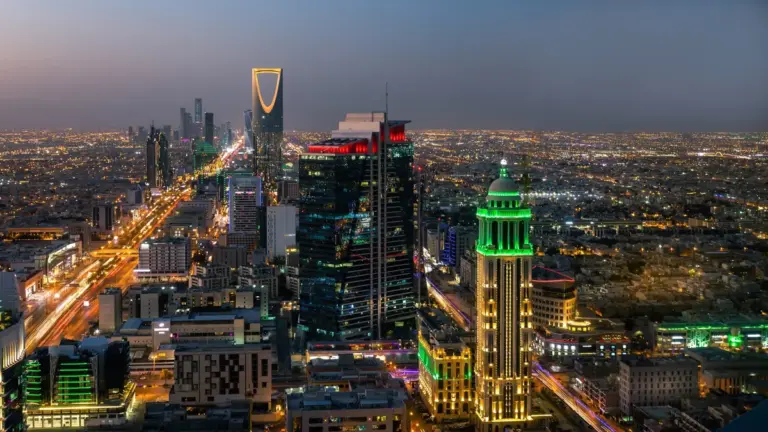
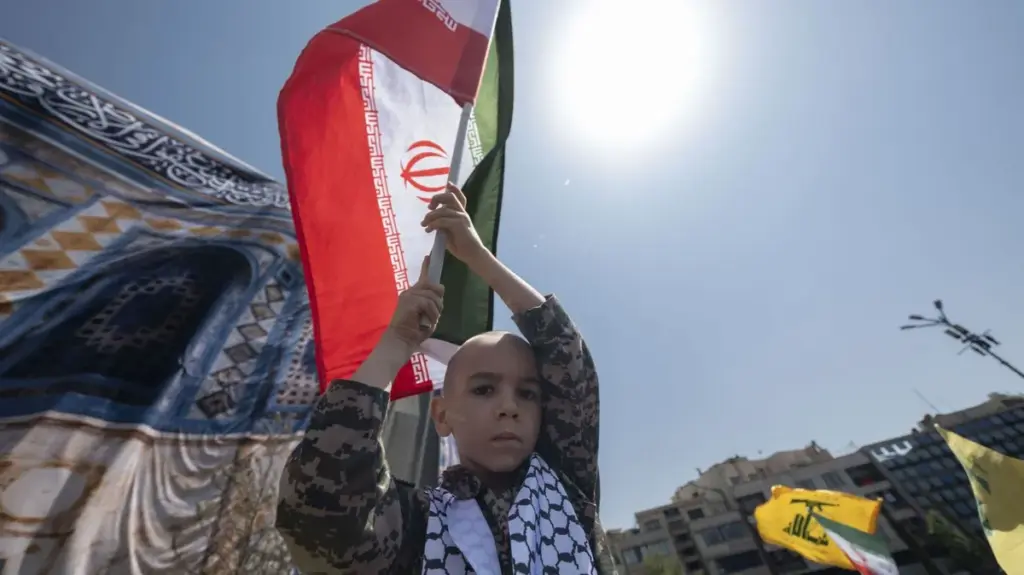
The Iran War has escalated significantly since February 28, 2026, when Israel and the United States began airstrikes against Iran. This conflict has led to intensified attacks by Iran on energy sites in Gulf countries, notably targeting a Saudi refinery and facilities in Qatar and Kuwait. The repercussions of these actions have been profound, affecting regional stability and global oil markets.
In retaliation for an Israeli strike on Iran’s main gas field, Iran has launched a series of attacks that have raised concerns about the security of maritime routes in the Gulf. The Brent crude oil price surged to $114 per barrel, marking an increase of over 57% since the onset of the war. This spike in oil prices reflects the heightened tensions and the potential for further disruptions in oil supply.
The human cost of the conflict has been severe. Reports indicate that over 1,300 people have been killed in Iran during the war, while at least 15 individuals have lost their lives in Israel due to Iranian missile strikes. Additionally, the conflict has displaced more than 1 million Lebanese as a result of Israeli airstrikes, highlighting the widespread impact of the hostilities across the region.
Israeli airstrikes have specifically targeted the South Pars gas field, a major gas field shared with Qatar. Israeli officials have stated that these airstrikes aim to deepen damage to Iran, further escalating the cycle of retaliation. Iran has condemned these strikes, warning of uncontrollable consequences, which adds to the uncertainty surrounding the conflict.
In a chilling development, Iran executed three men arrested during national protests in January, a move that underscores the internal pressures the Iranian government faces amid the ongoing war. The international community is closely monitoring these events, as the situation continues to evolve.
Statements from officials reflect the gravity of the situation. The Saudi Foreign Minister remarked that the assaults against the kingdom have completely annihilated any remaining trust in the region. Meanwhile, former U.S. President Donald Trump warned that the United States would respond decisively, threatening to destroy the entirety of the gas field in retaliation for Iranian aggression.
As the conflict continues, the potential for further escalation remains high. With both sides entrenched in their positions, the likelihood of additional strikes and casualties is a pressing concern. Details remain unconfirmed regarding future military actions and their implications for regional stability.
The ongoing Iran War not only poses a threat to the immediate parties involved but also has far-reaching consequences for global energy markets and geopolitical dynamics in the Middle East. As the situation develops, the international community watches closely, anticipating the next moves in this volatile conflict.