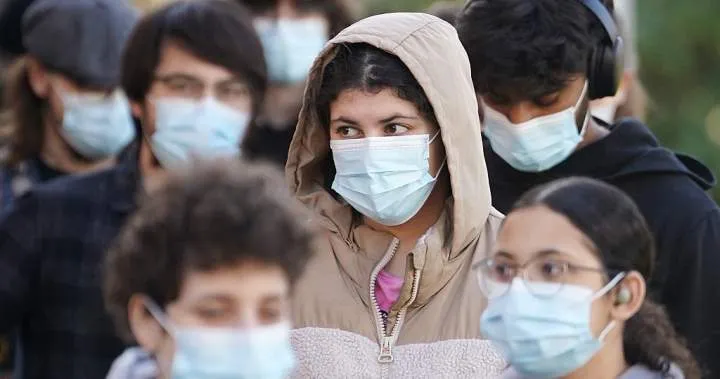
Who is involved
Before the recent outbreak, the situation regarding meningitis in England was relatively stable, with an annual average of approximately 350 cases reported across the UK. The disease, while serious, was not seen as a widespread threat, and health authorities had not flagged any particular concerns about a surge in cases. However, the emergence of a meningitis outbreak in Canterbury, particularly linked to the University of Kent and the Club Chemistry nightclub, has dramatically shifted this expectation.
On March 18, 2026, health officials confirmed a total of 20 cases of meningitis, with 9 confirmed by laboratory analysis and 11 still under investigation. Tragically, the outbreak has resulted in two deaths, involving an 18-year-old female and a 21-year-old male. This sudden spike in cases has been described as ‘unprecedented’ by health authorities, highlighting the rapid spread of the infection.
The strain identified in this outbreak is group B meningococcal infection, which is known to be rare but can lead to severe health complications. The infection can be transmitted through close contact, including saliva, raising concerns among students and the wider community. In response to the outbreak, the UK Health Security Agency (UKHSA) has alerted health professionals to be vigilant for symptoms of meningitis in young adults, particularly those who may have been in close contact with the infected individuals.
As a direct response to the outbreak, a vaccination campaign has been initiated for students at the University of Kent. Approximately 5,000 students are being offered the vaccine, with 2,500 doses already administered in Kent. This proactive measure aims to curb the spread of the infection and protect the student population, who are particularly vulnerable due to the close quarters in which they often live and socialize.
Experts have voiced their concerns regarding the outbreak. Dr. Thomas Waite described it as the fastest-spreading meningitis epidemic he has encountered in his career, emphasizing the alarming speed at which the infection has proliferated. Jack Jordan, a local resident, expressed his worries, stating, “It’s quite concerning. Everything has happened so quickly.” Such sentiments reflect the anxiety felt by the community as they navigate this health crisis.
In the broader context, the infection is a mandatory reportable disease in Quebec, where eight cases of strain B were reported in 2024. This highlights the importance of monitoring and reporting cases of meningitis globally, as outbreaks can have far-reaching implications. The UKHSA’s response to this outbreak underscores the need for vigilance and preparedness in the face of infectious diseases.
As the situation develops, health authorities continue to monitor the outbreak closely, and details remain unconfirmed regarding the full extent of the infection’s spread. The community remains on high alert, and the vaccination campaign is a critical step in addressing this urgent public health issue.