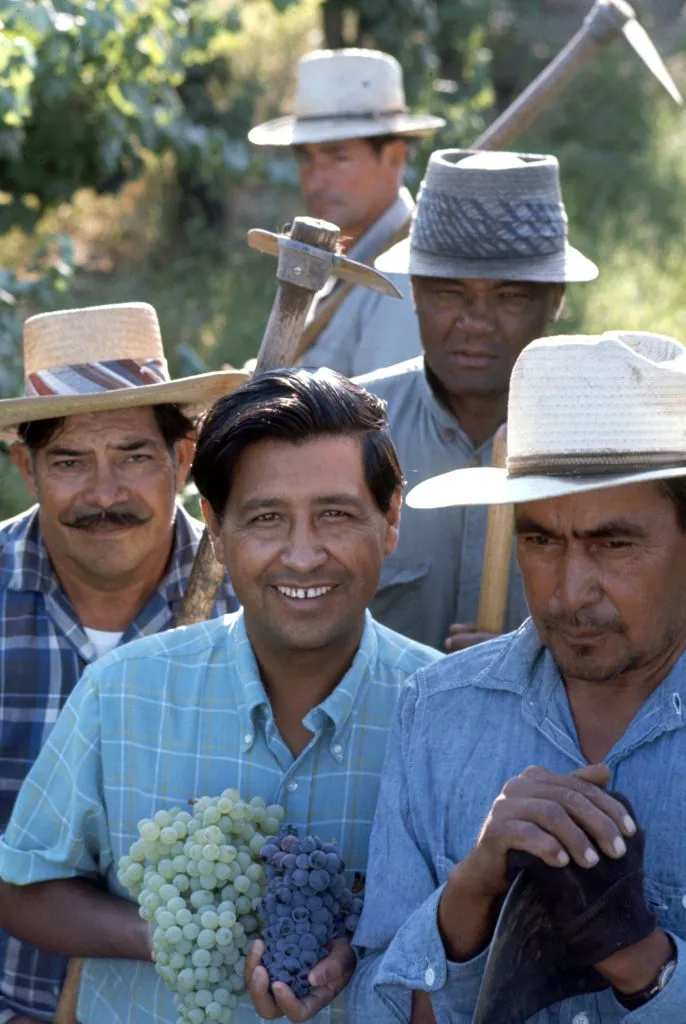
Cesar Chavez, a prominent civil rights leader and co-founder of the United Farm Workers (UFW), has recently come under scrutiny following serious allegations made by Dolores Huerta, a fellow activist. Huerta accused Chavez of sexually assaulting her in the 1960s, claiming she was manipulated and pressured into having sexual encounters with him that resulted in pregnancies she kept secret.
The allegations have led to the UFW canceling planned celebrations of Chavez, reflecting the organization’s stance that these accusations are incompatible with their values. In light of the claims, prominent Latino groups have condemned Chavez and are advocating for the renaming of streets and holidays that honor him.
Huerta, who carried the burden of her experiences for decades, stated, “I carried this secret for as long as I did because building the movement and securing farm worker rights was life’s work.” This revelation has prompted discussions about the potential for legal claims against the UFW.
In addition to Huerta’s allegations, testimonies from other women have surfaced, claiming that Chavez engaged in inappropriate sexual behavior with minors during his tenure as president of the UFW. The Cesar Chavez Foundation has acknowledged these allegations, stating, “Cesar Chavez engaged in inappropriate sexual behavior with women and minors during his time as President of the United Farm Workers of America.”
As the UFW grapples with these revelations, they expressed their shock, stating, “These allegations have been profoundly shocking. We need some time to get this right.” The foundation is also establishing a process for victims to share their experiences, indicating a commitment to addressing the situation responsibly.
Chavez, who passed away in 1993 at the age of 66, gained prominence through boycotts and fasts aimed at securing rights for migrant workers. However, his legacy has faced increasing scrutiny over the years due to various controversies, including these recent allegations.
The current state of affairs highlights a significant shift in how Chavez’s contributions are viewed, as many now question the alignment of his actions with the values of the civil rights movement. The impact of these allegations extends beyond Chavez himself, affecting the UFW and the broader Latino community.
As discussions continue, the implications of these revelations may lead to a reevaluation of Chavez’s legacy and the principles he stood for. Details remain unconfirmed regarding the full extent of the allegations and their impact on the UFW’s future.