Who is involved
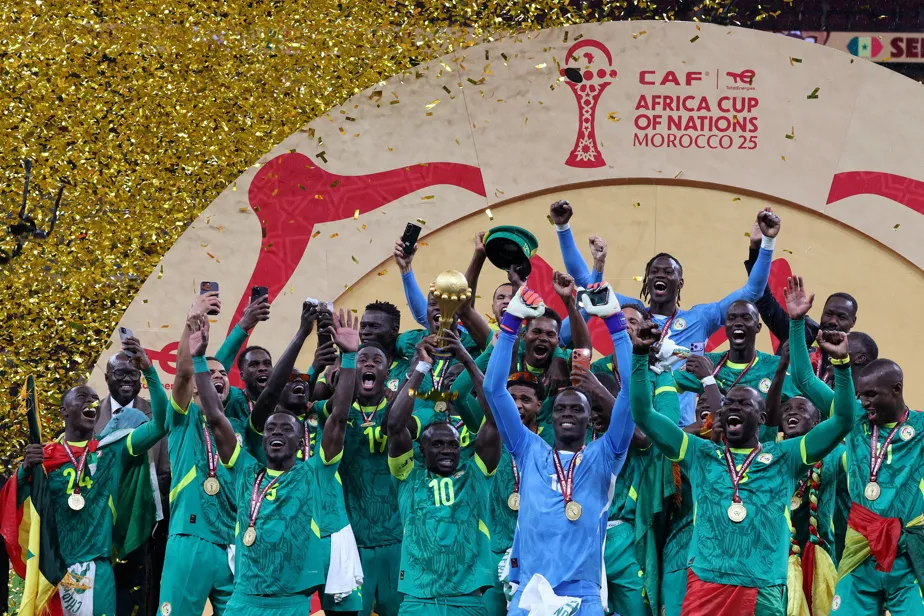
The Africa Cup of Nations (AFCON) has long been a prestigious tournament in African football, showcasing the continent’s top talent and teams. However, recent developments have cast a shadow over the event, particularly concerning the final match held on January 18. Senegal had initially emerged victorious, claiming the title in a match that ended with a score of 1-0. Yet, the aftermath of this match has led to a significant shift in the tournament’s narrative.
In a surprising turn of events, the Confederation of African Football (CAF) has withdrawn the title from Senegal and awarded it to Morocco. This decision came after an appeal from the Moroccan federation, which highlighted incidents that occurred during the final match. The CAF ruled that Senegal’s team had left the field, resulting in their disqualification and a final score of 3-0 in favor of Morocco due to Senegal’s forfeit.
The immediate effects of this decision have been profound. Senegal’s disqualification not only stripped them of the title but also led to fines imposed on both teams for unsportsmanlike behavior and violations of fair play principles. In total, 18 Senegalese supporters were imprisoned for hooliganism, further complicating the aftermath of the match. Additionally, Moroccan player Ismaël Saibari received a two-match suspension as part of the ruling, indicating that the repercussions of the match extended beyond just the teams involved.
Experts have weighed in on the situation, emphasizing the importance of adhering to the regulations set forth by the CAF. The decision to withdraw Senegal’s title was based on articles 82 and 84 of the CAF’s regulations, which outline the consequences of unsportsmanlike conduct. The CAF’s ruling has sparked discussions about the integrity of the competition and the need for clear guidelines to ensure fair play.
While the Moroccan federation has expressed satisfaction with the ruling, reaffirming its commitment to respect the rules and maintain the integrity of African competitions, the Senegalese side has faced significant backlash. The chaotic nature of the final match, marked by incidents involving players and supporters, has raised questions about the management of such high-stakes events and the responsibilities of both teams and their fans.
As the dust settles on this controversial decision, the appeal process remains open, allowing for contestation of the CAF’s ruling within ten days. This uncertainty leaves room for further developments, as both teams and their supporters navigate the implications of this decision.
In light of these events, the landscape of African football is poised for change. The CAF’s decision not only alters the historical context of the Africa Cup of Nations but also serves as a reminder of the challenges faced in maintaining sportsmanship and fair play in competitive environments. The future of the tournament and its reputation may depend on how such incidents are addressed moving forward.