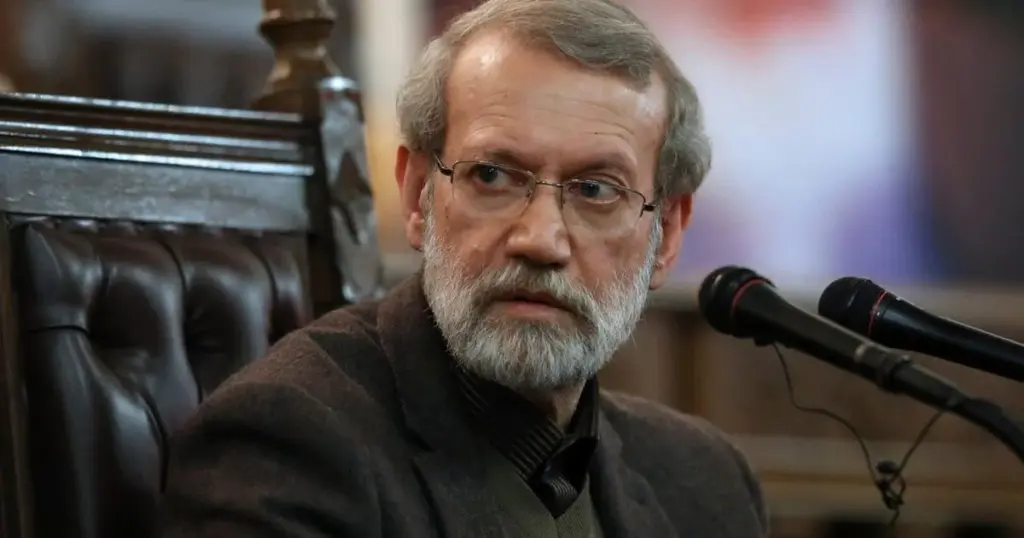
Ali Larijani, the head of Iran’s Supreme National Security Council, was killed in an Israeli airstrike, a significant event that underscores the escalating tensions in the region. The strike also claimed the life of Larijani’s son, Morteza Larijani, and Gholam Reza Soleimani, the commander of Iran’s Basij forces, who was known for leading operations against anti-government protests.
Larijani, a prominent conservative figure within Iran’s theocracy, served as the parliament speaker from 2008 to 2020 and was a political veteran from a well-known Iranian family. He was heavily involved in Iran’s nuclear negotiations with the Trump administration and had been under U.S. sanctions.
During a time of significant leadership losses in Iran, Larijani was believed to be effectively running the country. His influence was particularly noted as Iran faced various challenges, including ongoing conflicts and internal dissent.
In his public statements, Larijani often expressed defiance against perceived threats, stating, “The sacrificial nation of Iran doesn’t fear your empty threats. Even those bigger than you couldn’t eliminate Iran.” His rhetoric reflected a longstanding commitment to Iran’s sovereignty and resilience.
Larijani had also authored at least six philosophy books, showcasing his intellectual contributions beyond politics. His death marks a notable loss for the Iranian political landscape, where he was seen as a stabilizing force.
Observers are now closely watching how Iran will respond to this significant loss. The implications of Larijani’s death could further complicate the already tense geopolitical situation in the region. Details remain unconfirmed regarding the broader impact of this event on Iran’s leadership and strategic direction.