



















 👁 10 views
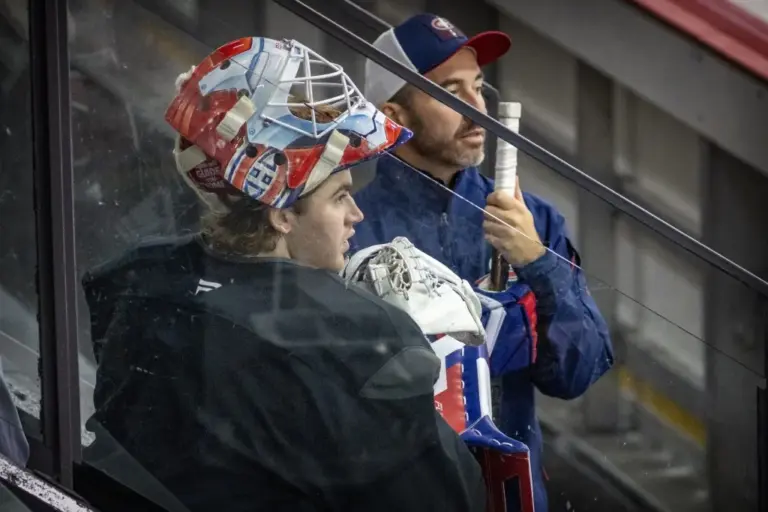
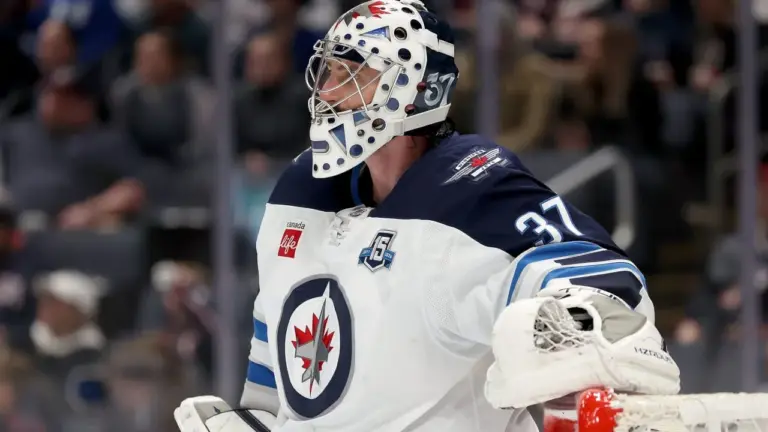
Winnipeg Jets GM Kevin Cheveldayoff addresses the Connor Hellebuyck trade situation, emphasizing a resolution that benefits both...
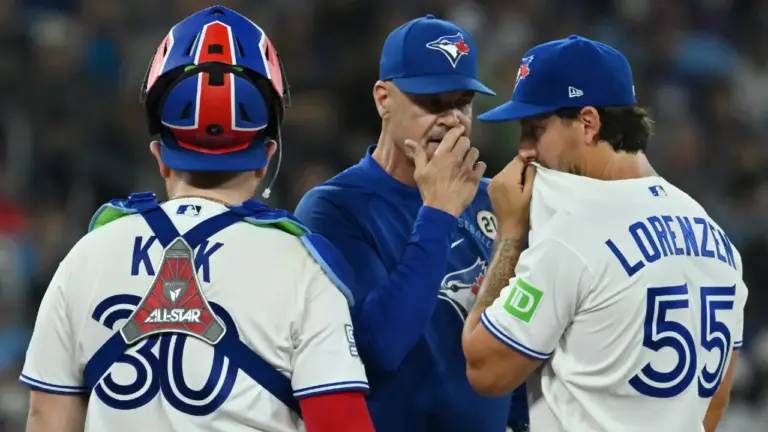
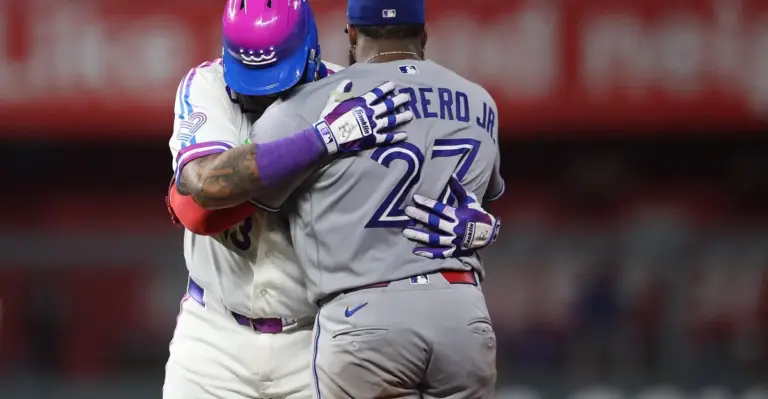
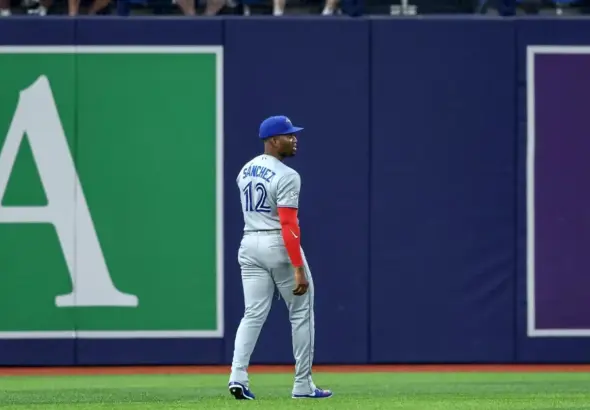
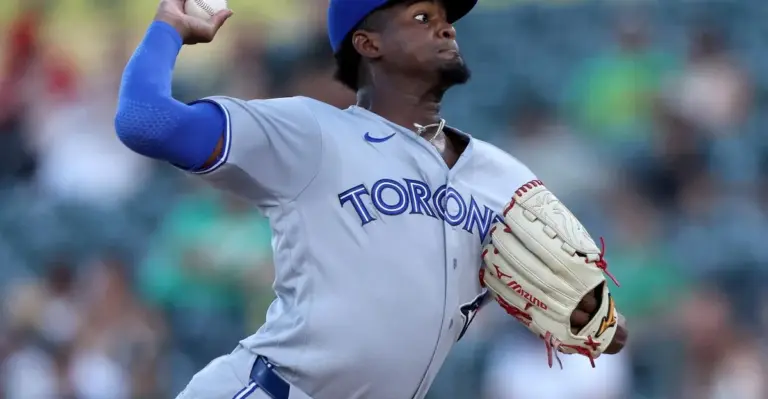
 Toronto Blue Jays fall to Tigers, remain one game back in wild card race
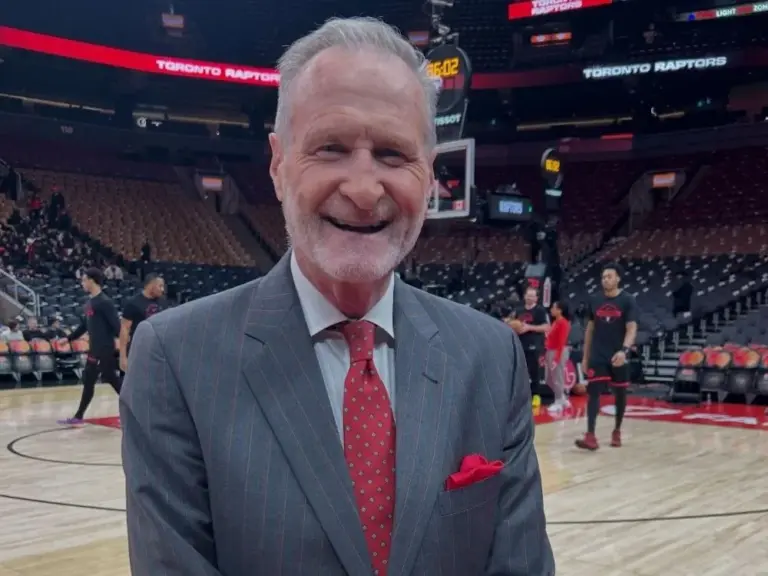
 Leonard’s Return to Toronto
 Female athletes criticize Sydney Sweeney advertisement for sports trading app
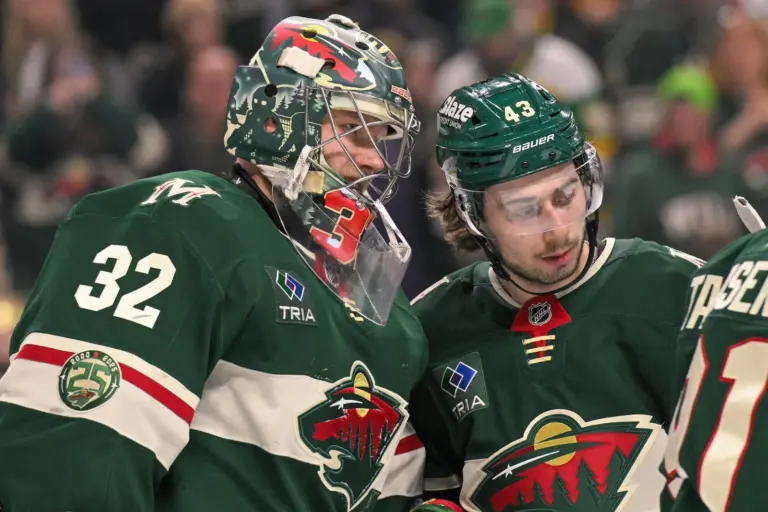
 Vancouver Canucks veterans discuss upcoming season and team rebuild
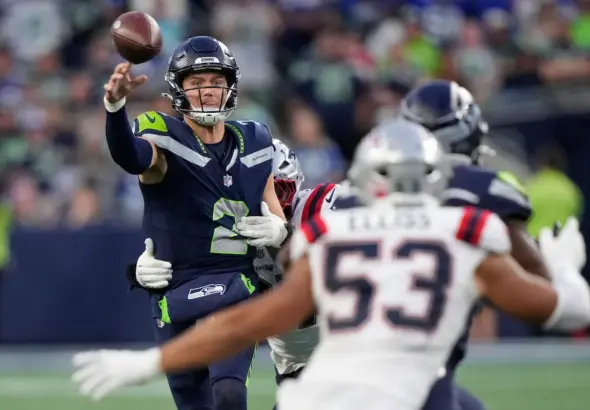
 Buffalo Bills secure win over Houston Texans in season opener
👁 10 views
Buffalo Bills secure win over Houston Texans in season opener
👁 10 views  👁 10 views
  👁 13 views
👁 13 views
👁 13 views  👁 11 views
  👁 13 views
  👁 14 views
  👁 17 views
👁 18 views
👁 18 views
👁 17 views
👁 18 views
👁 18 views