The numbers
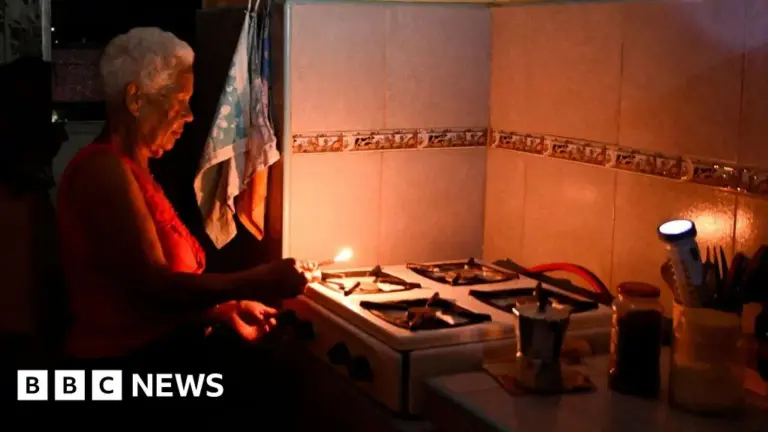
Cuba experienced a significant energy crisis as an islandwide blackout affected its electrical system, leaving millions without power. The blackout was attributed to a crumbling power grid and deepening energy crisis, with Cuba’s Ministry of Energy and Mines reporting a complete disconnection of the electrical system. By Monday night, crews had managed to restore power to only 5% of Havana’s residents, impacting approximately 42,000 customers in the capital.
The situation has been exacerbated by the fact that Cuba has not received oil shipments in three months, severely limiting its ability to generate electricity. Despite producing 40% of its petroleum, the country is unable to meet its demand, leading to widespread outages and disruptions. As a result, the government has postponed surgeries for tens of thousands of citizens, highlighting the critical nature of the ongoing crisis.
In the face of these challenges, Cuba is looking to attract foreign investment, particularly from Cubans living abroad. Oscar Pérez-Oliva Fraga, Cuba’s Deputy Prime Minister, stated that there are no limitations for U.S. businesses to invest in the island, signaling a potential shift in policy aimed at alleviating the economic strain caused by U.S. sanctions and an oil blockade. This openness to investment comes as the Cuban economy continues to suffer, with over 1 million Cubans having emigrated since 2021.
Former U.S. President Donald Trump has suggested that he may pursue a deal with Cuba, particularly in light of recent protests on the island. “Cuba also wants to make a deal, and I think we will pretty soon either make a deal or do whatever we have to do,” Trump remarked, indicating a willingness to engage in negotiations that could reshape U.S.-Cuba relations.
As Cuba grapples with its energy crisis, the government has faced criticism for its handling of the situation. President Miguel Díaz-Canel has vowed that “for vandalism and violence, there will be no impunity,” as unrest grows among the population. The government’s response to the crisis and the potential for foreign investment may play a crucial role in determining the future of Cuba’s economy and its relationship with the United States.
Details remain unconfirmed regarding the negotiations between the U.S. and Cuba, and the extent of the impact of U.S. sanctions on Cuba’s economy remains unclear. Observers are closely watching the developments, as the outcome could have significant implications for both nations.
In summary, Cuba’s energy crisis is a pressing issue that has far-reaching consequences for its population and its international relations. As the island seeks to restore power and stabilize its economy, the potential for U.S. investment and diplomatic engagement could be pivotal in addressing the challenges ahead.