Key moments
A severe storm has struck the eastern United States and parts of Canada, particularly affecting regions in Ontario and Québec. The storm, which began on March 16, 2026, has resulted in the cancellation of over 2,000 flights as airlines grapple with the adverse weather conditions.
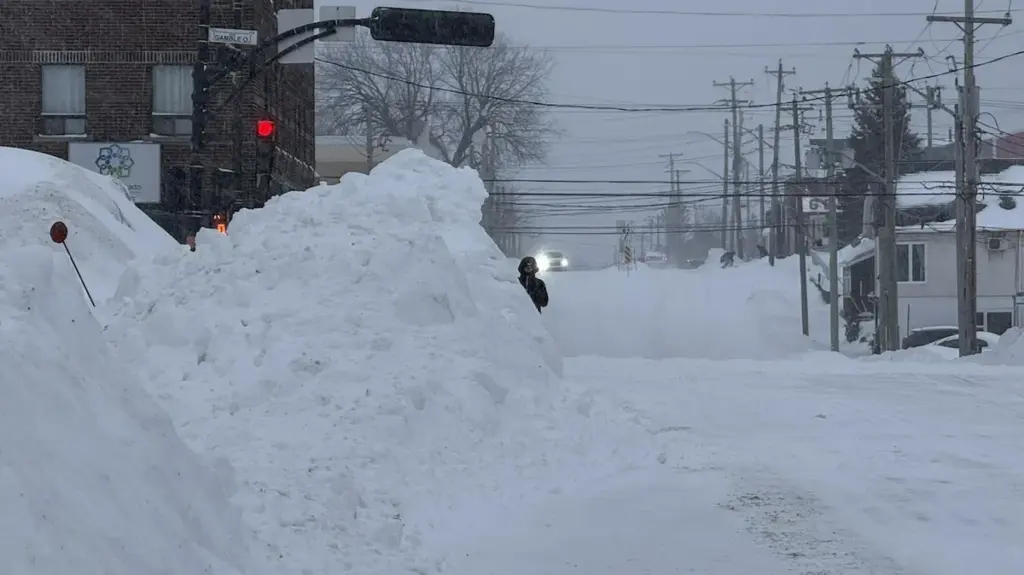
In addition to the flight disruptions, blizzard conditions have persisted in certain areas of Wisconsin and Michigan, where snowfall has reached up to 60 centimeters. The storm has also led to the closure of more than 2,000 kilometers of roads in Ontario, significantly impacting travel and transportation.
Schools have not been spared from the storm’s effects, with nearly 100 educational institutions closed in Abitibi-Témiscamingue, Québec. Snow accumulations of 30 to 50 centimeters are expected in northern Michigan, further complicating the situation for residents and emergency services.
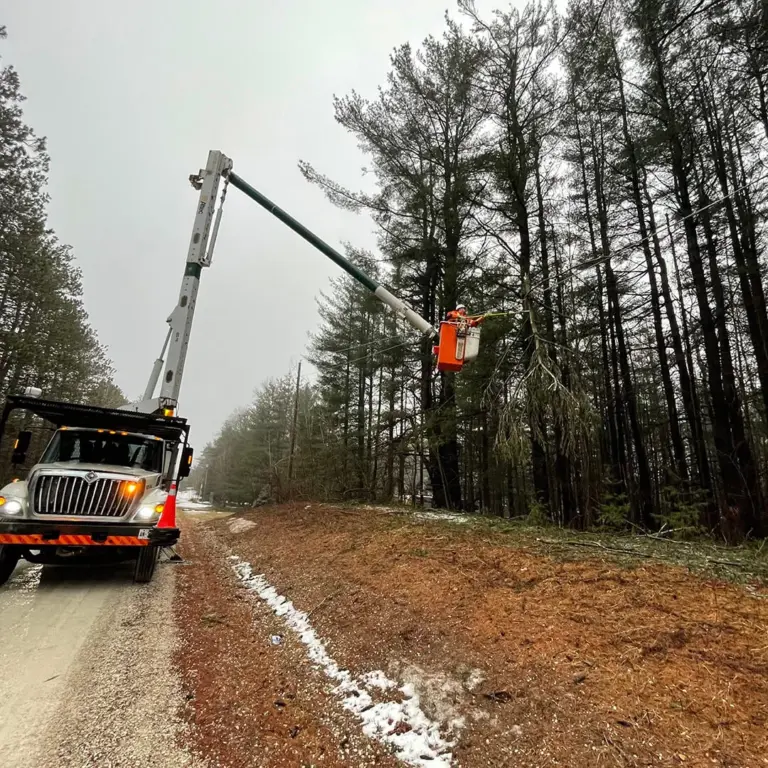
Wind gusts exceeding 120 kilometers per hour have been reported in North Carolina, raising concerns about potential damage and safety hazards. Approximately 220,000 subscribers in the Great Lakes region are currently without electricity due to the storm’s impact on power infrastructure.
Flooding has also been reported in Hawaii, where some areas of Maui have experienced over 50 centimeters of rain. This unusual weather pattern highlights the widespread nature of the storm’s effects across different regions.
Brian Hurley, a meteorologist, commented on the situation, stating, “This is what happens in March and April.” Meanwhile, Victor Gensini emphasized the dangers posed by the wind, noting, “Today, it is the wind that poses the real threat.”
As the storm continues to develop, officials are urging residents to limit travel on the roads. One local authority advised, “It would be very wise to limit travel on the roads,” as conditions remain treacherous.
Details remain unconfirmed regarding the full extent of the storm’s impact, but the situation continues to evolve as authorities monitor the weather closely and provide updates to the public.