“Some are countries that we’ve helped for many, many years. We’ve protected them from horrible outside sources, and they weren’t that enthusiastic. And the level of enthusiasm matters to me,” stated President Donald Trump, reflecting on the lack of support from U.S. allies in the ongoing conflict with Iran.
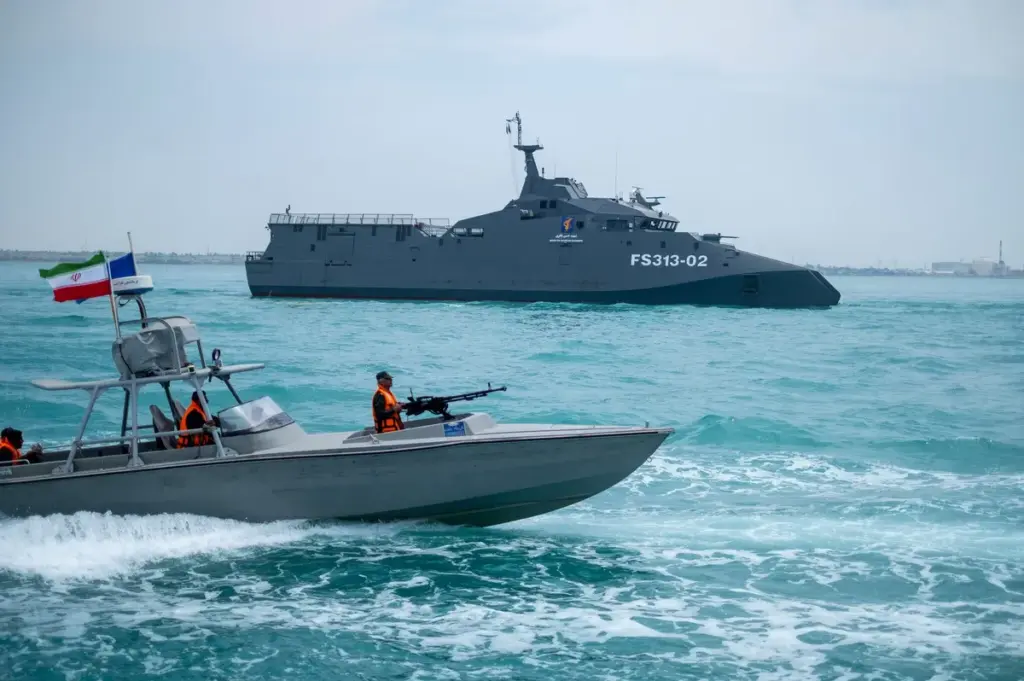
The U.S.-Israeli war on Iran has now entered its third week, with no resolution in sight. The Strait of Hormuz, a vital corridor for 20% of the world’s oil and liquefied natural gas, remains a focal point of tension. Despite Trump’s calls for military assistance to escort tankers through this critical passage, several allies, including Germany, Spain, and Italy, have rebuffed the request.
Germany’s Chancellor Friedrich Merz emphasized that the country lacks the necessary mandate from the UN, EU, or NATO to engage in military operations. Kornelius, a political analyst, noted, “As long as this war continues, there will be no involvement, not even in an option to keep the Strait of Hormuz open by military means.” This sentiment reflects a broader hesitance among NATO allies to engage in direct military action.
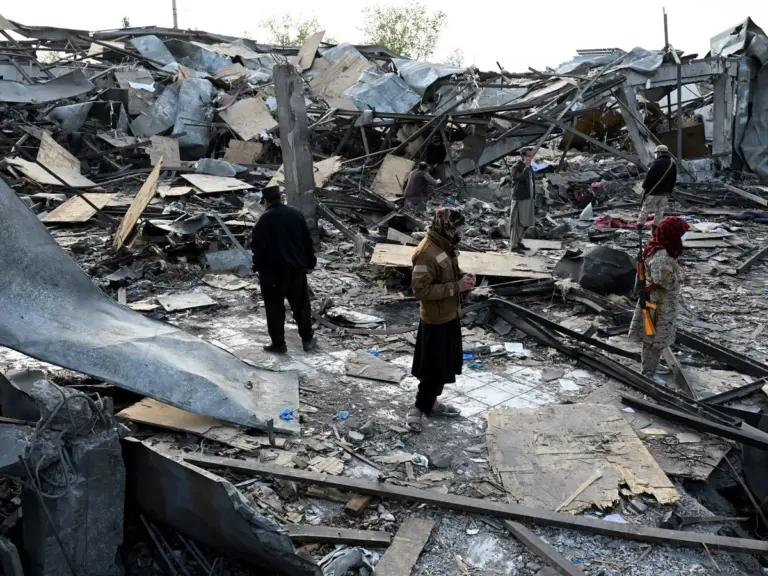
Since the conflict began, approximately 200 U.S. troops have been reported injured, highlighting the escalating violence. Israel has reportedly prepared for at least three more weeks of military operations against Iran, further complicating the situation.
In a concerning development, Iran’s Islamic Revolutionary Guard Corps (IRGC) has threatened to target U.S. industrial facilities in the Middle East, raising alarms about potential retaliatory strikes. Additionally, flights at Dubai International Airport were suspended following a drone strike on a nearby fuel storage facility, showcasing the conflict’s regional impact.
Trump has warned NATO allies that failure to assist in securing the Strait of Hormuz could lead to a “very bad future” for the alliance. Meanwhile, Canada has publicly stated it will not participate in the U.S.-led military operations against Iran, further isolating the U.S. in its efforts to garner support.
As tensions continue to rise, the international community watches closely, with the potential for further escalation looming. Iran has effectively shut the Strait of Hormuz following U.S. and Israeli attacks, raising concerns about global oil supply and security in the region.
Details remain unconfirmed regarding the next steps from both the U.S. and its allies as the situation develops. The ongoing conflict poses significant risks not only to regional stability but also to global energy markets.